India-EU FTA to Spur New Opportunities Across Industries and Innovation
New Delhi – The proposed Free Trade Agreement (FTA) between India and the European Union is set to create significant new opportunities for businesses, investors, and innovators, while simultaneously bolstering economic and strategic ties between the two major economic blocs, according to remarks made by Prime Minister Narendra Modi.
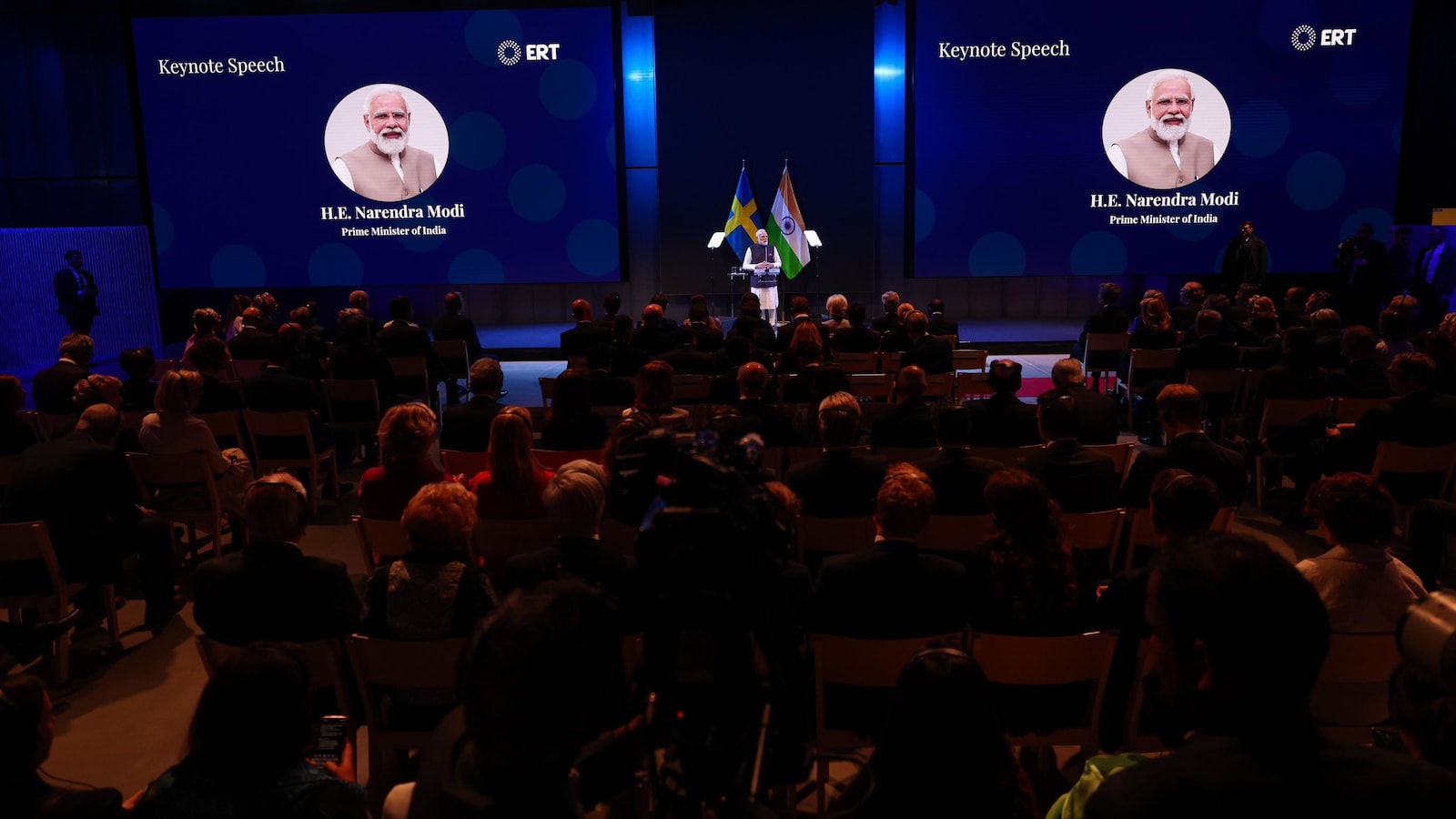
During an address at an India-EU industry roundtable held in Sweden, Prime Minister Modi emphasized the growing cooperation between India and the EU in critical sectors. These include digital technology, semiconductor manufacturing, clean energy solutions, building resilient supply chains, and fostering innovation. This collaboration is being actively pursued through the dedicated India-EU Trade and Technology Council.
Modi underscored the increasing political, economic, and strategic alignment between India and Europe, noting its importance for maintaining global peace and stability. He also pointed to recent bilateral agreements, such as the Security and Defence Partnership and the Mobility Agreement, as key developments that have further strengthened the relationship and promoted people-to-people connections.
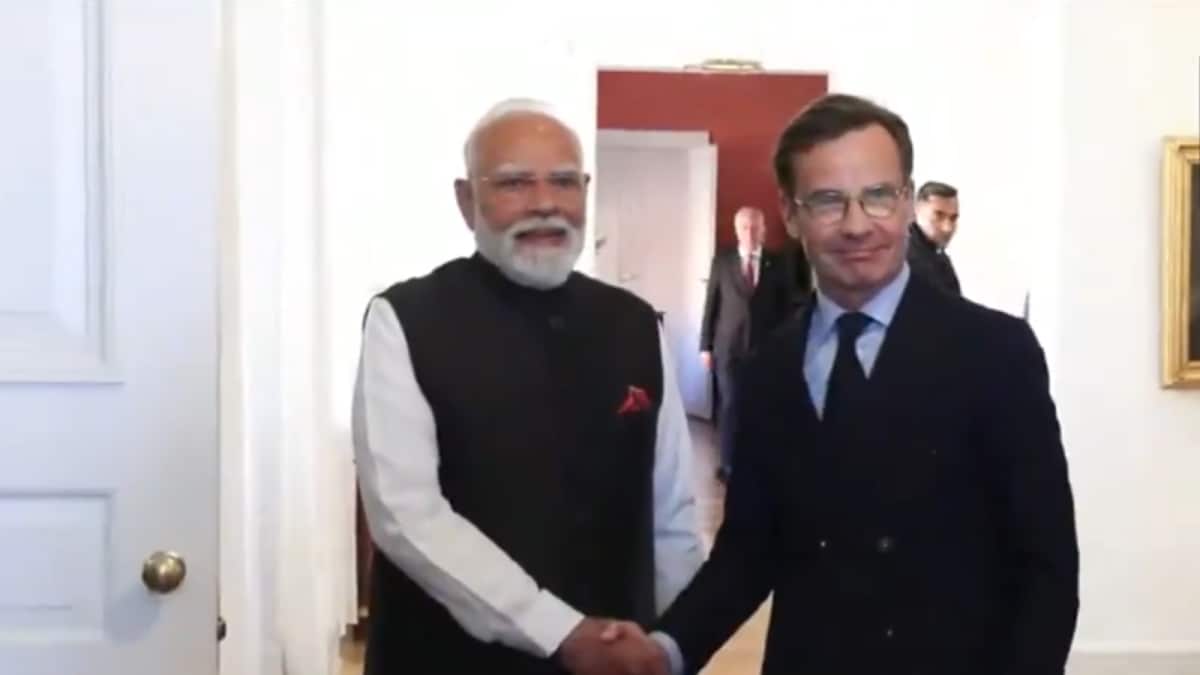
The industry roundtable saw participation from key figures, including President of the European Commission Ursula von der Leyen, Swedish Prime Minister Ulf Kristersson, and senior executives representing prominent Indian and European companies. These discussions are crucial for setting the agenda for future economic engagement.
Negotiations for the India-EU FTA were concluded in January 2026. Following necessary legal review and ratification processes, which will include approval from the European Parliament, the agreement is anticipated to eliminate tariffs on over 90 percent of goods traded between India and the EU. This liberalization is expected to dramatically boost bilateral trade volumes and deepen economic integration.
Focus on Strategic Partnership with Sweden
Prime Minister Modi specifically highlighted the strong potential for deepening bilateral cooperation with Sweden, particularly in high-technology domains. Areas identified for enhanced collaboration include:
- Artificial Intelligence (AI): Both nations are keen to explore joint initiatives in AI research and development.
- Health-tech: Opportunities exist to leverage technology for advancements in healthcare.
- Green Mobility: Cooperation is envisioned to drive sustainable transportation solutions.
Sweden's active participation in the AI Impact Summit, hosted in India earlier this year, was cited as a testament to the burgeoning collaboration in emerging technologies. Prime Minister Modi indicated that India and Sweden would work on concrete initiatives to strengthen the proposed Sweden-India Technology and AI Corridor, aiming to create a robust ecosystem for technological advancement and business growth.
Further solidifying the scientific and innovative ties, the two countries plan to establish an India-Sweden Science and Technology Centre. This center is intended to foster greater collaboration among startups, researchers, and the broader innovation ecosystem.
Shared Vision on Climate Action and Sustainability
Beyond technology, India and Sweden share common ground on critical issues of climate action and sustainability. The two nations have agreed to commence work on the third phase of the Leadership Group for Industry Transition (LeadIT). This joint global initiative is dedicated to accelerating the transition towards low-carbon industrial practices worldwide.
India is currently undertaking ambitious, large-scale projects in sectors vital for a sustainable future, including:
- Green Hydrogen: Developing capabilities for clean hydrogen production.
- Circular Economy: Promoting resource efficiency and waste reduction.
- Sustainable Infrastructure: Investing in environmentally friendly development projects.
Prime Minister Modi suggested that by combining Sweden's advanced technological expertise with India's vast scale and market potential, the two countries could develop and implement climate solutions that have a significant global impact. This synergy offers a powerful model for addressing the climate crisis.
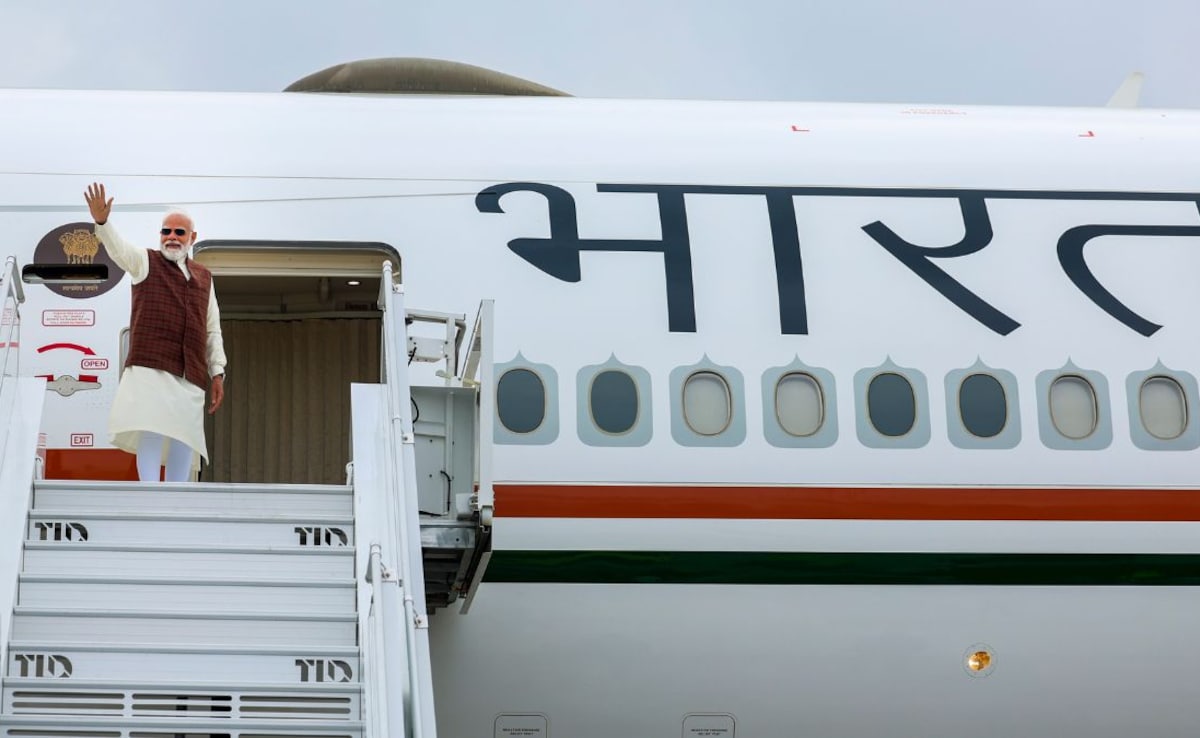
Prime Minister Modi's visit to Sweden was part of a broader five-nation tour. His engagements underscore India's commitment to strengthening its economic and strategic partnerships with key global players, fostering collaboration in critical sectors for mutual growth and global stability.