India-Sweden Ties Strengthened: A New Strategic Partnership
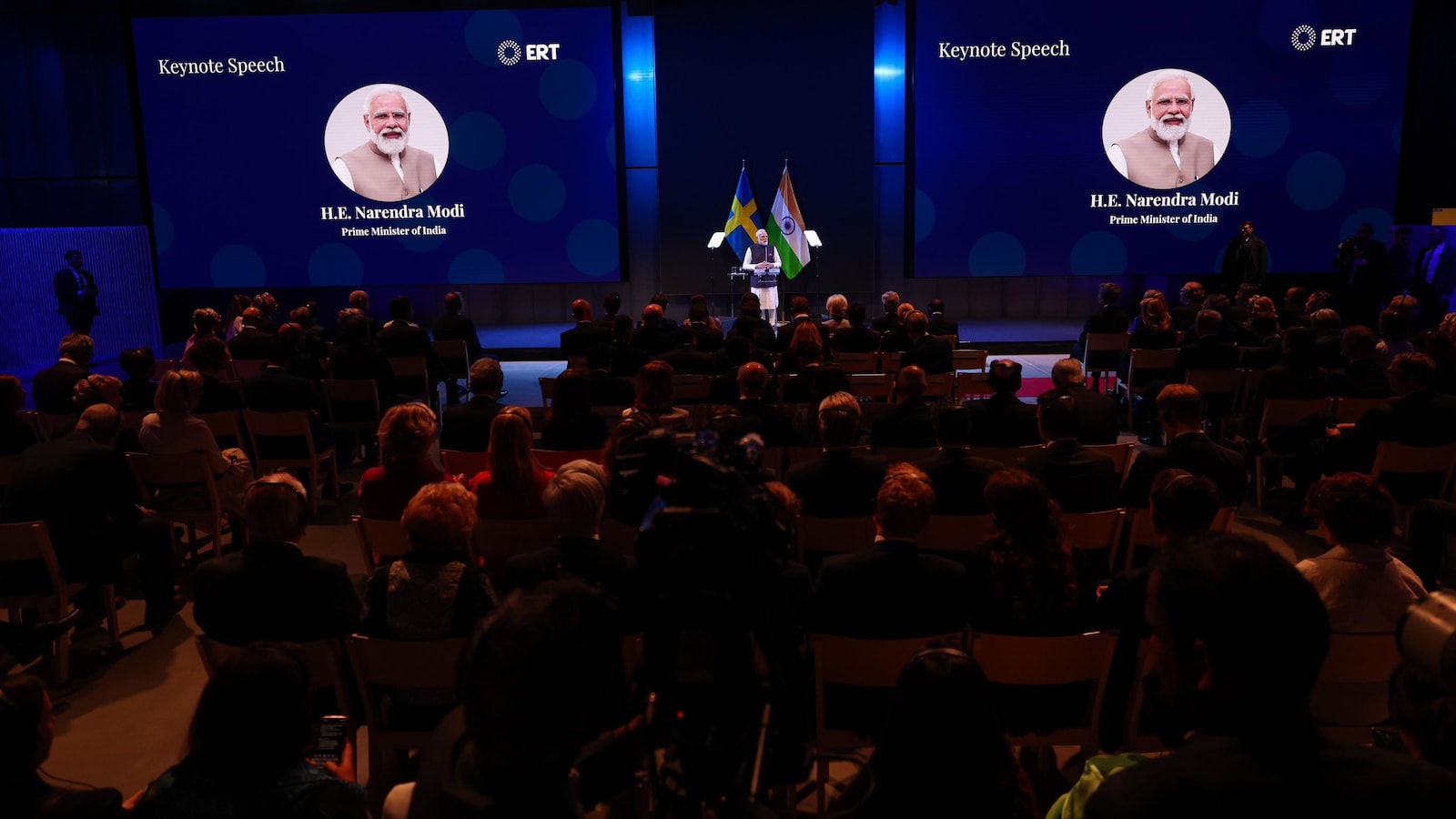
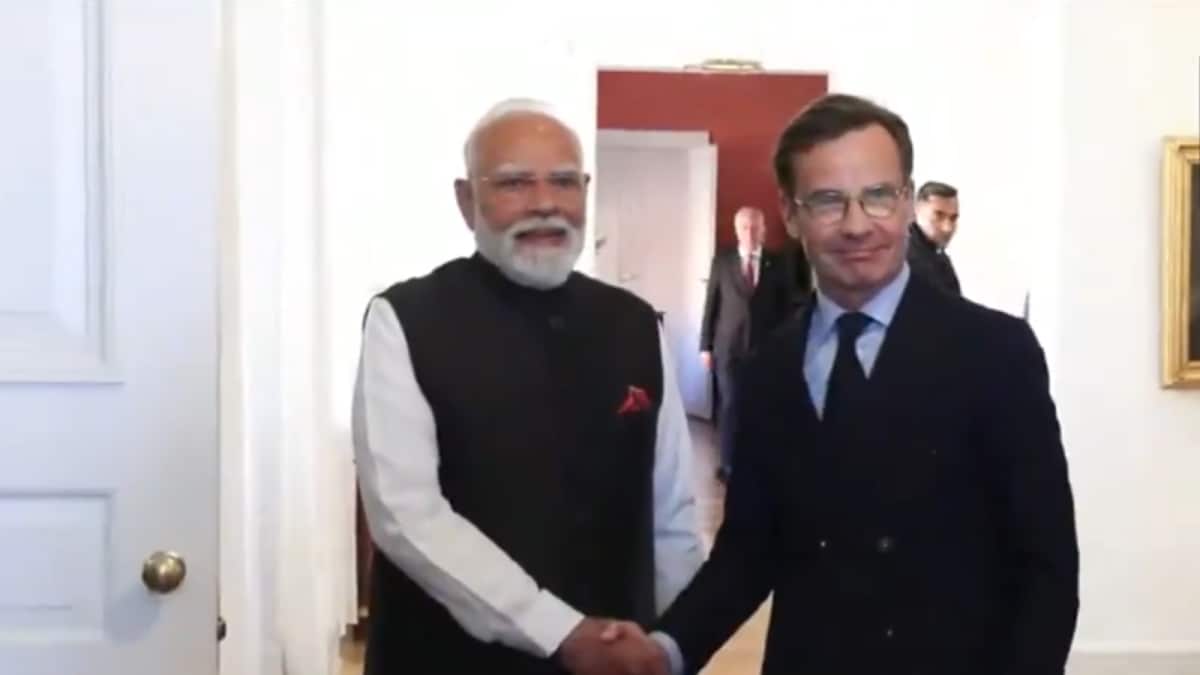
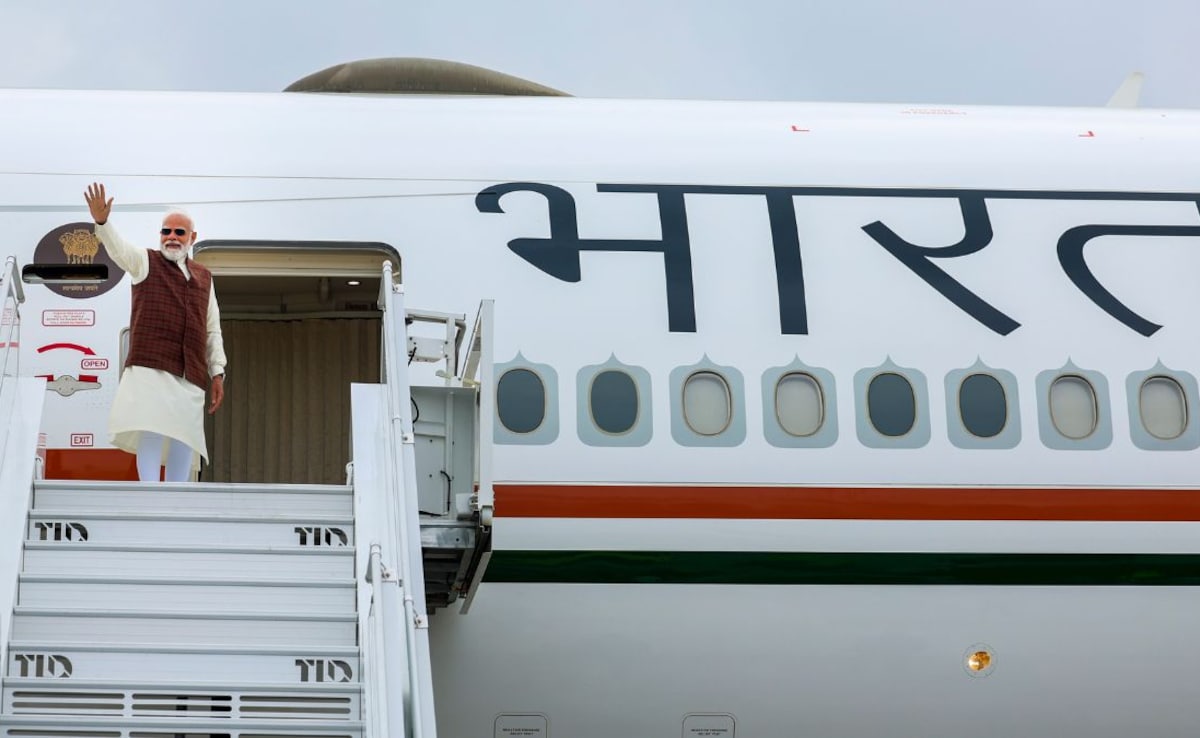
Prime Minister Narendra Modi's recent visit to Sweden marked a significant elevation of bilateral relations, transitioning from standard diplomatic engagement to a robust Strategic Partnership. This development, solidified with a Joint Action Plan for 2026-2030, underscores India's commitment to deepening ties with technologically advanced European economies to secure its future growth trajectory.
The renewed cooperation extends far beyond traditional trade, encompassing critical areas such as artificial intelligence (AI), defense manufacturing, critical minerals, the green transition, space exploration, and digital infrastructure. This multi-faceted approach signals a clear intent to build resilient supply chains and foster innovation.
The partnership is structured around four core pillars:
- Strategic Dialogue: Enhancing cooperation on security and global stability.
- Next-Generation Economic Partnership: Driving mutual economic growth and investment.
- Emerging Technologies and Trusted Connectivity: Focusing on advanced technological collaboration and secure digital links.
- People, Planet, Health, and Resilience: Addressing shared challenges in public health, environmental sustainability, and societal resilience.
Tangible Gains for India in Key Sectors
The strategic upgrade promises substantial benefits for India across several high-impact sectors:
• Technology Transfer and Co-Development: Sweden boasts global leaders in telecommunications, clean technology, mobility, defense systems, mining technology, and life sciences. The partnership aims to move beyond a simple buyer-seller dynamic towards co-development and co-manufacturing agreements. This allows Swedish companies to establish production bases in India, fostering industrial collaboration and knowledge transfer.
• Sweden-India Technology and AI Corridor (SITAC): This initiative creates a dedicated pathway connecting startups, academic institutions, and industrial players across AI, 6G, quantum computing, semiconductors, and digital infrastructure. SITAC is designed to integrate seamlessly with India's National AI Mission and its ambitions in the semiconductor industry, accelerating innovation and adoption of cutting-edge technologies.
• Green Transition and Critical Minerals: Sweden's expertise in sustainable mining practices, electric mobility solutions, renewable energy technologies, and smart city development aligns perfectly with India's ambitious goals for green hydrogen production, electric vehicle (EV) adoption, and sustainable urban development. This collaboration is crucial for securing access to critical minerals essential for these green technologies.
• Boosting Defence Manufacturing: The expansion of Swedish defense firms' manufacturing capabilities within India is a significant development. This aligns with the 'Make in India for the World' initiative, positioning India as a key manufacturing hub for advanced defense equipment and components, potentially for global export.
• Space Cooperation: A notable aspect of the enhanced partnership is the planned collaboration between the space agencies of both nations. This includes working together on an instrument for India's upcoming Venus Orbiter Mission, highlighting a high-technology, trust-based partnership in space exploration.
Ambition for Doubled Trade and Investment
Swedish Prime Minister Ulf Kristersson has publicly stated a clear objective: to double bilateral trade and investments between India and Sweden within the next five years. This ambitious target is closely linked to the recently concluded India-European Union Free Trade Agreement, which is seen as ushering in a new era of economic engagement.
This enhanced economic relationship offers several advantages for India:
• Facilitated Access to EU Markets: Trusted partners like Sweden can serve as conduits for easier access to the broader European Union market. • Scaling Swedish Technology and Capital: Swedish investment and technological know-how can be leveraged to scale India's burgeoning manufacturing and innovation ecosystem. • Diversified Supply Chains: The partnership aids in diversifying global supply chains, reducing reliance on potentially volatile geopolitical chokepoints and enhancing supply chain resilience.
Bilateral Trade Dynamics
India is currently Sweden's third-largest trading partner in Asia. The existing trade relationship is already diversified, with key Indian exports including pharmaceuticals, textiles, engineering goods, and chemicals, while Sweden's major exports to India comprise machinery, vehicles, telecommunications equipment, and precision tools.
As of 2025 projections, bilateral trade is valued at approximately $7.75 billion, a significant increase from $2.86 billion in 2016. Cumulative Swedish Foreign Direct Investment (FDI) in India stands at $2.59 billion, with over 280 Swedish companies operating in India. Conversely, more than 75 Indian firms have established a presence in Sweden.
Sweden's Global Standing in Technology
Despite its relatively smaller size, Sweden is a global powerhouse in several technological domains:
• Sustainable Mining and Critical Minerals Technology • Clean Mobility and Electric Vehicle Ecosystems • Telecommunications and Digital Network Infrastructure • Life Sciences and Medical Technology • Defense Electronics and Aerospace Components • Urban Sustainability Solutions
This strategic alignment positions India to leverage Sweden's cutting-edge expertise to drive innovation, economic growth, and sustainable development.