India-Europe Industrial Partnership Gets Boost in Gothenburg
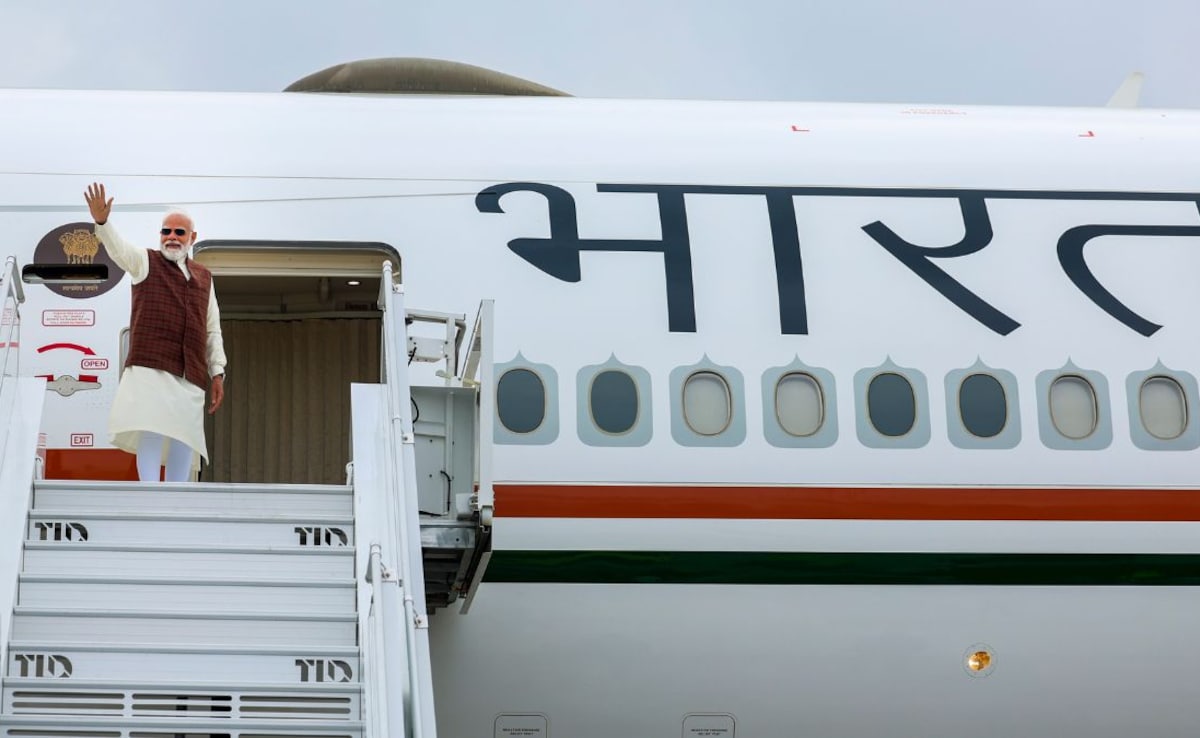
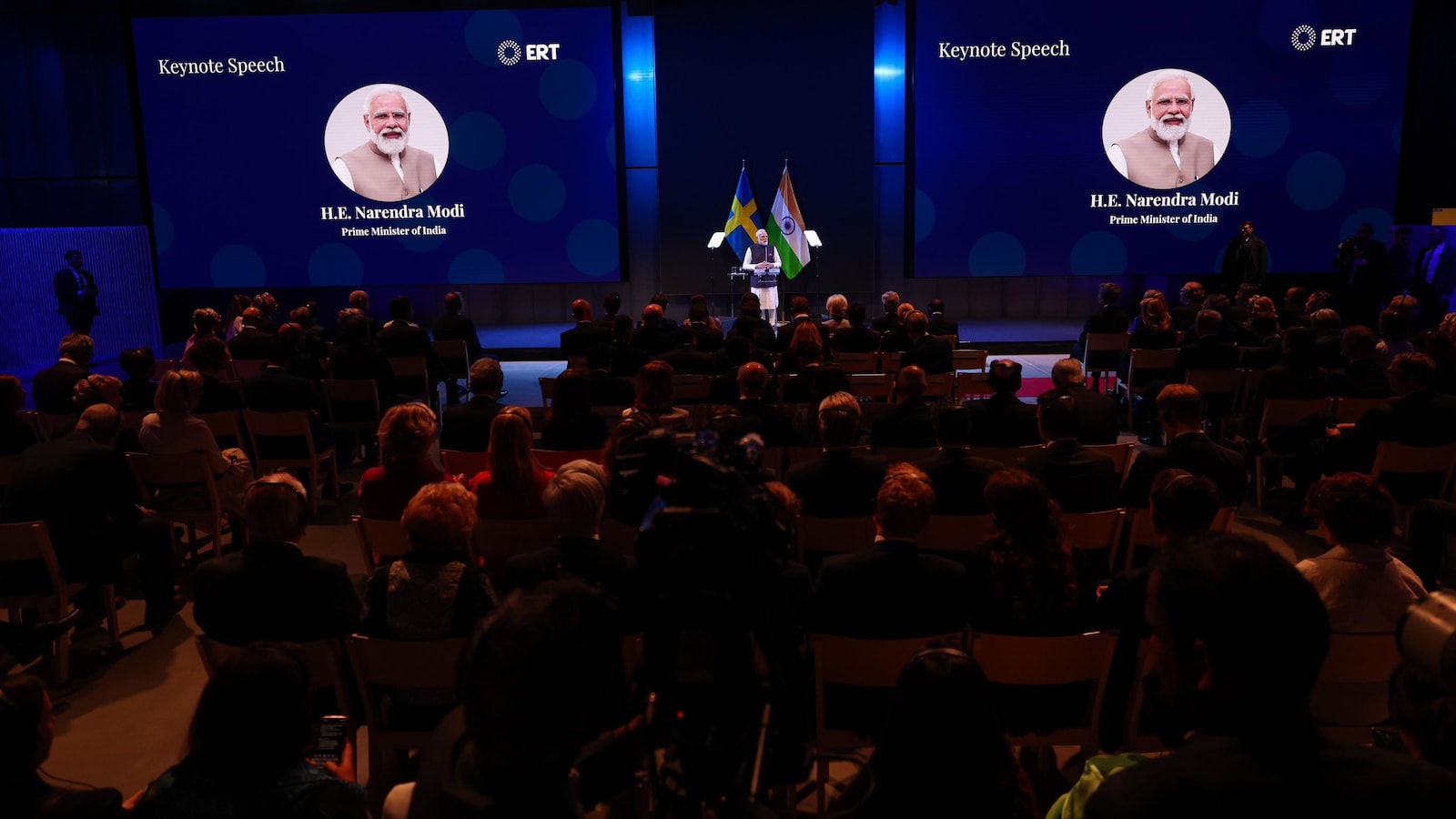
Prime Minister Narendra Modi's recent visit to Sweden culminated in a significant CEO roundtable in Gothenburg, marking a pivotal moment for strengthening industrial ties between India and Europe. The event, attended by approximately 55 chief executives and chairmen of major European multinational corporations, signaled a clear intent to deepen economic and strategic collaboration.
A Consequential Business-Diplomatic Engagement
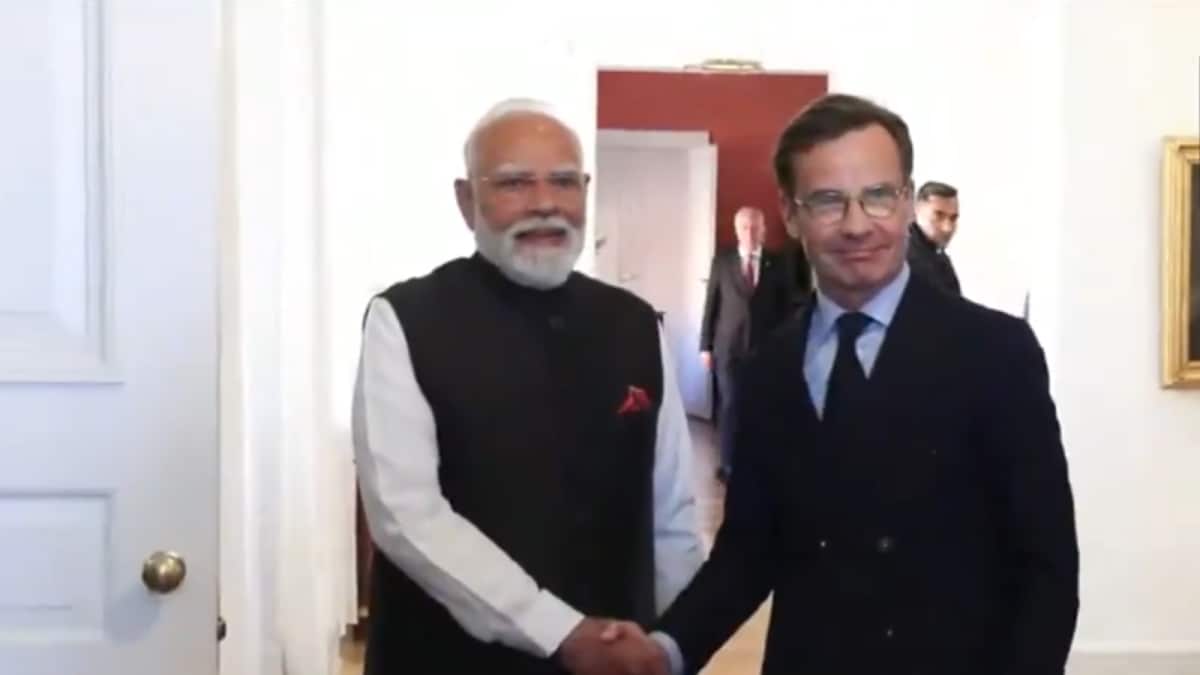
The roundtable, convened by the influential European Round Table for Industry (ERT), was co-hosted by Swedish Prime Minister Ulf Kristersson and European Commission President Ursula von der Leyen. This high-level gathering provided a platform for direct dialogue between India's leadership and Europe's top corporate decision-makers, with the Prime Minister extending a direct invitation for increased investment and partnership in India.
Bridging an Eight-Year Gap
Prime Minister Modi's presence in Sweden held considerable symbolic weight. His last visit to the country was in April 2018, for the inaugural India-Nordic Summit. The eight-year interval highlights the evolving economic landscape of India and shifts in Europe's strategic considerations. Sweden, a nation recognized for its strong innovation ecosystem and significant investment in research and development, has also adopted a firm stance on strategic diversification, notably reducing reliance on Chinese technology in its telecommunications networks. This evolving geopolitical context positions New Delhi as a crucial strategic partner for Stockholm in Asia.
• Bilateral trade in goods and services between India and Sweden reached USD 7.75 billion in 2025. • Over 280 Swedish companies currently operate within India.
A Five-Sector Framework for Collaboration
During the ERT roundtable, the Prime Minister outlined a structured vision for enhanced India-Europe industrial cooperation, focusing on five key sectors:
• Telecom and Digital Infrastructure: Exploring opportunities in advanced communication technologies. • Artificial Intelligence and Semiconductors: Driving innovation and manufacturing in these critical domains. • Green Energy Transition: Collaborating on sustainable energy solutions and renewable technologies. • Infrastructure and Mobility: Investing in and developing modern infrastructure and transport systems. • Healthcare and Life Sciences: Fostering advancements in medical research, pharmaceuticals, and healthcare services.
The executives present represented global leaders in these fields, including companies from the telecommunications, technology, energy, automotive, and pharmaceutical sectors. The Prime Minister's proposition was direct, challenging each company to commit to at least one new, concrete project in India within the next five years, with a promise of strong government support for flagship initiatives.
Institutionalizing the Partnership
To formalize and sustain this deepening relationship, the Prime Minister proposed several key mechanisms:
• An annual India-Europe CEO Roundtable to ensure continued dialogue. • The establishment of sector-specific working groups to address detailed cooperation areas. • The creation of an ERT India Desk to provide dedicated support for both existing and potential investors in India.
Foundation in Recent Agreements
The Gothenburg meeting builds upon a series of significant developments in India-EU relations. These include the recent conclusion of the India-EU Free Trade Agreement, a new Security and Defence Partnership, a Mobility Agreement, and the operationalization of the India-EU Trade and Technology Council. On a bilateral level with Sweden, a Statement of Intent for the Sweden-India Technology and AI Corridor (SITAC) was also signed, aiming to foster cooperation in areas such as 6G technology, artificial intelligence, and quantum computing.