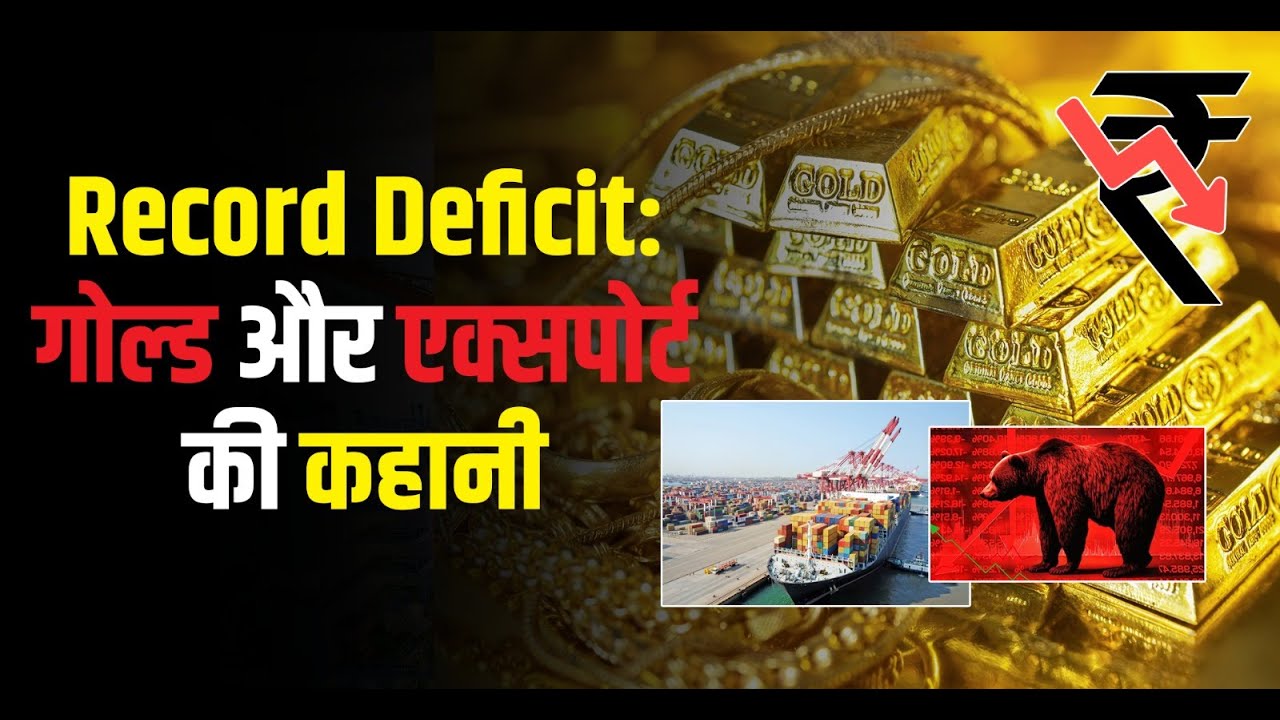
India's Golden Dilemma: Weighing the Costs of a Precious Obsession
India, a nation steeped in tradition and shimmering with the allure of gold, faces a persistent economic paradox. The glittering metal, deeply embedded in the cultural fabric, is also a significant contributor to the country's yawning trade deficit. For decades, the demand for gold, driven by weddings, investment, and religious customs, has resulted in massive import bills. This, in turn, weakens the rupee, puts pressure on foreign exchange reserves, and creates a vulnerability in the Indian economy. Understanding the intricate connection between India's 'Gold Rush' and its trade deficit is crucial for comprehending the nation's economic trajectory.
A Historical Perspective: Gold's Enduring Appeal
Gold holds a unique place in Indian society. It's more than just a commodity; it's a symbol of prosperity, security, and auspiciousness. Traditionally, gold is gifted during weddings, celebrated during festivals, and considered a safe haven during economic uncertainty. This deep-seated cultural affinity has fueled a sustained demand for gold, even amidst fluctuating prices and global economic shifts.
"Gold is considered stree dhan - a woman's wealth, passed down through generations. This emotional connection makes it different from other consumer goods," explains Dr. Anjali Verma, a leading economist specializing in Indian markets. "This cultural significance is a primary driver behind the consistent demand."
Before delving into the specifics of the current situation, it is important to briefly establish the historical context of India's gold trade. India was a major exporter of textiles and other goods, which were paid for using gold. Over the past few centuries, India had absorbed a lot of gold due to trade imbalances, and the practice continues today, though in a different economic climate.
The Current Landscape: Imports, Deficits, and Economic Strain
The impact of India's gold appetite on the trade deficit is substantial. While exports, particularly of services, have grown in recent years, gold imports continue to be a major drain on the country's foreign exchange reserves. Let's break down the key developments:
-
Soaring Import Bills: India is one of the world's largest importers of gold, importing hundreds of tons annually. The value of these imports often reaches tens of billions of dollars, significantly contributing to the trade deficit.
-
Widening Trade Deficit: A consistently high import bill, driven in part by gold purchases, contributes to a widening trade deficit. This deficit occurs when a country imports more goods and services than it exports, putting pressure on the rupee.
-
Impact on the Rupee: When the trade deficit expands, it generally weakens the value of the rupee against other currencies, making imports more expensive and potentially fueling inflation.
-
Foreign Exchange Reserves: Maintaining a stable rupee requires sufficient foreign exchange reserves. High gold import bills strain these reserves, making the economy vulnerable to external shocks.
-
Government Measures: The government has periodically introduced measures to curb gold imports, such as increasing import duties, but these have often met with resistance from the gold industry and consumers. These measures can be tricky to implement because of how deeply gold is entrenched in culture.
-
Smuggling: High import duties, as mentioned above, can often lead to a rise in gold smuggling, undercutting the effectiveness of government regulations and depriving the exchequer of revenue.
Expert Insights: Navigating the Economic Tightrope
Economists and industry experts offer diverse perspectives on this complex issue. While the cultural significance of gold is undeniable, the economic consequences cannot be ignored.
"The government faces a delicate balancing act," says Mr. Rajeev Gupta, a senior market analyst. "It has to consider the cultural and emotional significance of gold while addressing the economic strain of high imports. There isn't a simple solution."
Many experts advocate for policies that incentivize domestic gold production, encourage alternative investment avenues, and promote awareness among consumers about the economic implications of their gold-buying habits. Diversifying investment portfolios, promoting digital gold platforms, and investing in gold-backed bonds can help reduce the demand for physical gold.
Conclusion: Looking Ahead
The relationship between India's gold obsession and its trade deficit is a complicated one, reflecting a blend of cultural preferences and economic realities. Addressing this challenge necessitates a multifaceted approach that considers both the demand and the supply sides of the equation. Finding a sustainable balance requires strategic policy interventions, consumer awareness campaigns, and innovative financial products. Ultimately, the future hinges on India's ability to navigate this golden dilemma, safeguarding its economic stability while respecting its rich cultural heritage. The path forward is certainly paved with both precious metal and intricate economic choices.