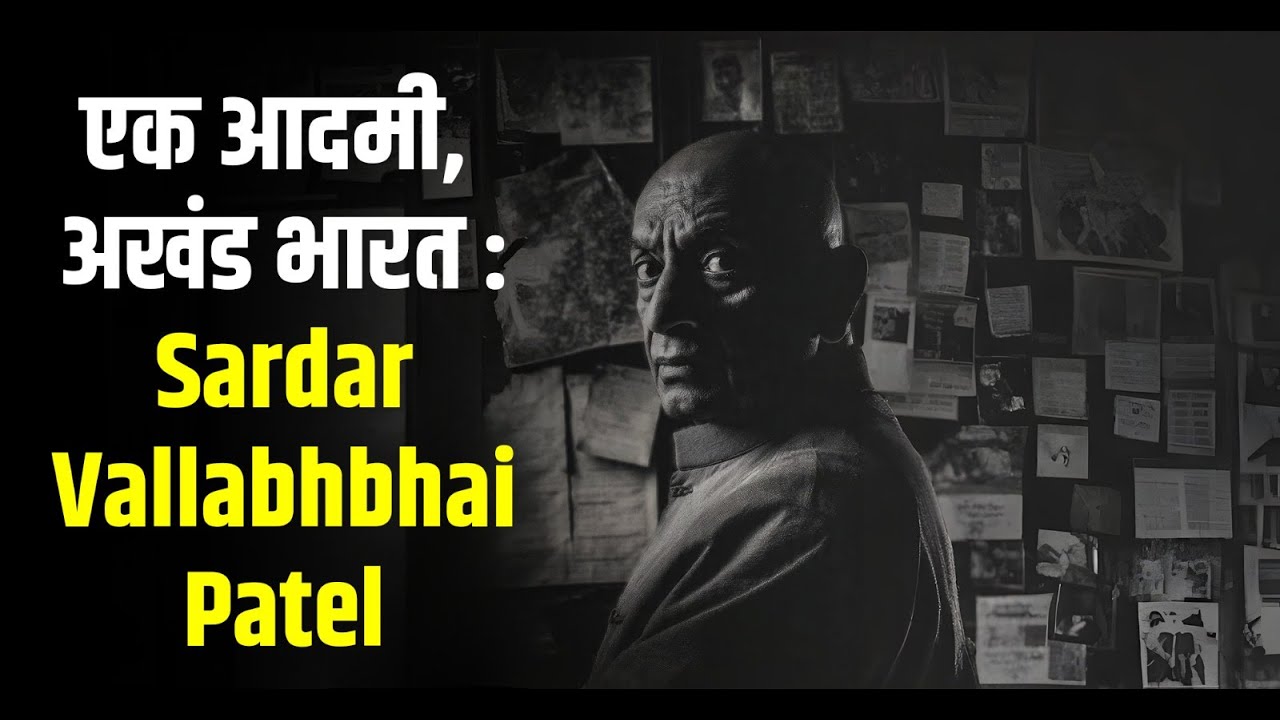
The Architect of Unity: Patel's Legacy
Imagine a newly independent nation, fractured and teetering on the brink of collapse. That was India in 1947. Amidst the jubilation of freedom from British rule, the country faced a daunting challenge: unifying hundreds of princely states, each with its own ruler and ambitions. This monumental task fell upon the shoulders of Vallabhbhai Patel, a man whose steely resolve earned him the moniker, the “Iron Man of India.” His leadership was arguably the most crucial factor in stitching together the modern Indian state.
The context is vital. India's Independence Act of 1947 offered princely states the choice of joining either India or Pakistan, or remaining independent. This created a complex political landscape fraught with uncertainty, intrigue, and potential fragmentation. The clock was ticking. Without swift and decisive action, India could have splintered into numerous, warring factions, jeopardizing its future.
Patel, as the Minister of Home Affairs, understood the gravity of the situation. He recognized that a unified India was essential for stability, economic progress, and national security. He skillfully navigated the treacherous waters of post-independence politics. Here's how:
• Negotiation and Persuasion: Patel employed a combination of diplomacy and firmness. He engaged in extensive negotiations with the rulers of the princely states, appealing to their patriotism, offering favorable terms for accession, and emphasizing the long-term benefits of unity.
• Strategic Pressure: Where persuasion failed, Patel didn’t hesitate to exert pressure. He utilized economic sanctions, military presence, and sometimes, a shrewd application of political leverage to bring recalcitrant rulers to the table. Some rulers initially resisted but ultimately conceded.
• The Hyderabad and Junagadh Crises: The cases of Hyderabad and Junagadh, both of which initially sought independence or accession to Pakistan, highlight Patel’s decisiveness. In Hyderabad, a military intervention was eventually required. In Junagadh, the Nawab fled, and the people voted to join India, further demonstrating the determination for unity.
• Integrating Smaller States: Patel's team focused on integrating numerous smaller states that were scattered throughout the country, a complex process that required detailed negotiations and administrative coordination. His team created a legal framework for integration to incorporate states.
• Building a Nation: He moved quickly to establish a functioning government, create institutions, and draft a constitution. His foresight shaped the trajectory of independent India.
Looking Ahead
Patel’s legacy extends far beyond the borders he helped to create. His determination and vision continue to inspire. The choices made in 1947 established the foundation for modern India. His legacy serves as a reminder of the power of strong leadership and the enduring importance of national unity, especially in times of uncertainty and transition.