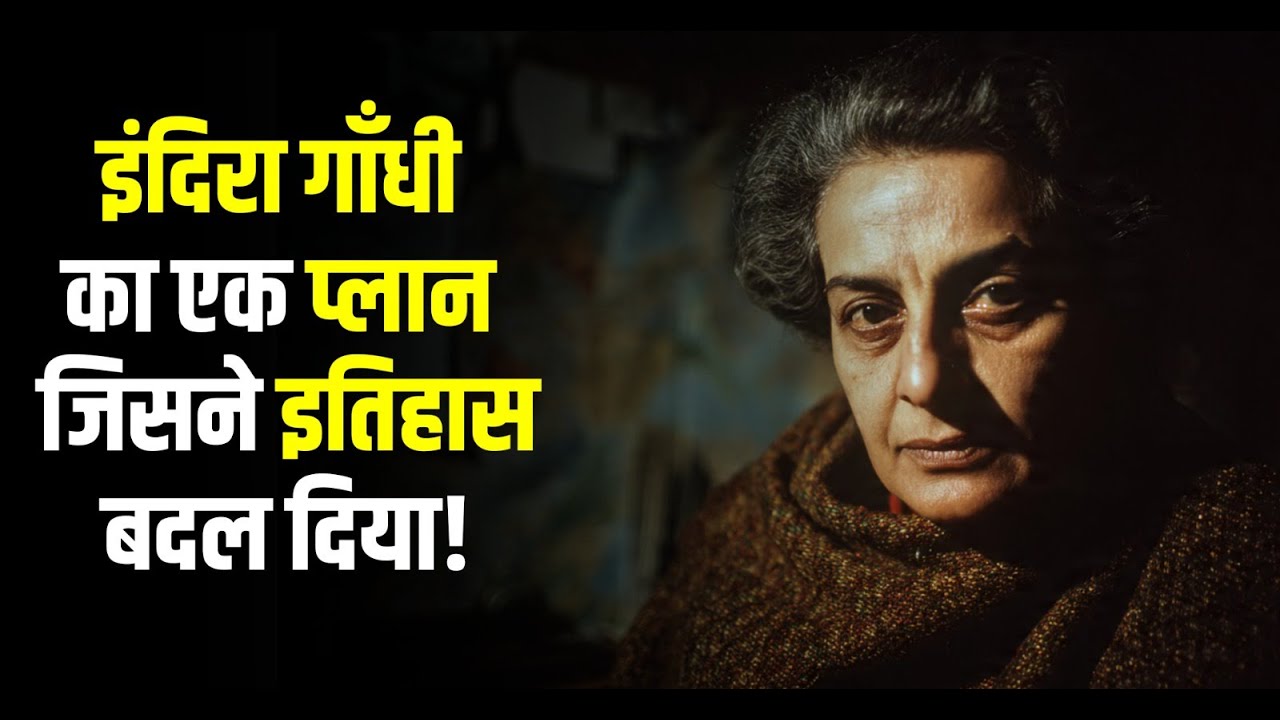
Indira Gandhi's Masterstroke: How Bangladesh's Birth Reshaped South Asia
The air hung heavy with uncertainty in late 1971. Across India, millions watched, holding their breath, as the unfolding crisis in East Pakistan threatened to consume the subcontinent. But amidst the chaos, one figure remained resolute: Prime Minister Indira Gandhi. Her strategic vision, culminating in the 1971 war, not only secured the independence of Bangladesh but also profoundly altered the geopolitical balance of power in South Asia, leaving an indelible mark on history.
Now, more than fifty years later, it’s worth revisiting this pivotal moment and considering its lasting implications.
The Seeds of Conflict: A Nation Divided
The genesis of the Bangladesh Liberation War lay in the brutal repression of the Bengali-speaking population of East Pakistan by the Pakistani military regime. After the 1970 elections, where the Awami League, led by Sheikh Mujibur Rahman, secured a clear majority, Pakistan's ruling elite refused to transfer power. This triggered a widespread crackdown, unleashing atrocities and forcing millions to flee across the border into India, creating a humanitarian crisis that India could not ignore.
"The situation was untenable," explains Dr. Sanjay Kumar, a historian specializing in South Asian politics. "India was facing an immense refugee burden, coupled with the simmering threat of a full-scale war. Indira Gandhi understood that a decisive action was necessary to protect India's interests and the rights of the Bengali people."
India's support for the Mukti Bahini (Liberation Front) in East Pakistan was initially covert. But the situation escalated rapidly, forcing Indira Gandhi's hand.
Indira Gandhi's Plan in Action
Indira Gandhi’s strategy wasn't just about military intervention; it was a carefully orchestrated plan involving diplomacy, military preparedness, and international maneuvering. This ultimately led to the swift defeat of Pakistan and the birth of Bangladesh. Key aspects of the plan included:
• Diplomatic Offensive: Recognizing the need for international support, Indira Gandhi embarked on a diplomatic whirlwind, traveling to several world capitals to garner support for India's position. She skillfully presented the situation as a humanitarian crisis rather than a simple act of aggression, thus garnering sympathy and support from various quarters.
• Military Buildup and Training: Simultaneously, the Indian military, under the guidance of then-Chief of Army Staff, General Sam Manekshaw, prepared for war. The Mukti Bahini received extensive training and support from India, playing a crucial role in disrupting Pakistani forces.
• The War's Decisive Blow: On December 3, 1971, Pakistan launched preemptive air strikes on Indian airfields, giving India the pretext it needed. The Indian armed forces swiftly responded, launching a multi-pronged offensive on both the eastern and western fronts.
• Rapid Advance in the East: With superior planning and execution, Indian forces quickly overran East Pakistan, defeating the Pakistani army in a matter of weeks. The fall of Dhaka on December 16, 1971, marked the end of the war and the liberation of Bangladesh.
• Western Front Engagement: On the western front, India contained Pakistani forces, preventing a wider conflict. The focus remained on securing Bangladesh.
• International Pressure: Indira Gandhi successfully navigated the complexities of Cold War politics, skillfully managing pressure from the United States and China, which supported Pakistan. Her determination and resolve were pivotal in facing these global powers.
The Legacy of Indira Gandhi's Leadership
The impact of Indira Gandhi's actions transcends mere military victory; it reshaped the South Asian landscape. Pakistan, fractured and humiliated, lost a significant portion of its territory. India emerged as the dominant regional power, and a new nation, Bangladesh, was born, forever changing the geopolitical dynamics.
"Indira Gandhi's actions demonstrated her understanding of realpolitik," notes Professor Meera Khanna, a political scientist and expert on Indian foreign policy. "She skillfully balanced strategic imperatives with humanitarian concerns, creating a new balance of power in the region."
However, the war also left a trail of unresolved issues, including the repatriation of prisoners of war and the ongoing tensions between India and Pakistan. The Kashmir dispute, in particular, remained a persistent source of friction. The rise of religious fundamentalism in both countries is another long-term outcome to consider.
Looking Ahead
Today, the creation of Bangladesh serves as a critical case study in statecraft and intervention. The success of Indira Gandhi’s plan is a testament to her vision, her diplomatic skills, and her willingness to make difficult decisions. Yet the lessons learned must be applied with vigilance, as the region grapples with the enduring legacy of 1971. In a world still marked by conflict and instability, her legacy of decisive action is a reminder of the power of strategic leadership. The enduring impact of this event shapes the future for South Asia, and it's imperative to understand it.