India's 'Best Ever' Trade Offer Faces Tough Road in US Talks
The air in New Delhi is thick with anticipation and, perhaps, a touch of apprehension. As US and Indian negotiators huddle for crucial trade talks this week, the stakes are undeniably high. A potential deal promises to reshape economic ties, but the path ahead, as one US official put it, is like cracking a tough nut. The Modi government has presented what US Trade Representative Jamieson Greer calls the “best ever” market access offer, but significant challenges remain, particularly in the contentious arena of agricultural trade.
Decades of Trade Talks Come to a Head
For years, Washington and New Delhi have danced around a comprehensive trade agreement, grappling with thorny issues that have hampered progress. These talks are taking place against a backdrop of complex and evolving global trade dynamics. The US is actively seeking to diversify its trade partnerships, while India, with its burgeoning economy and vast consumer market, represents an attractive, albeit challenging, partner.
Key Developments in the Trade Talks:
The current discussions center on resolving persistent tariff disputes and paving the way for a more robust bilateral trade deal. Here's a breakdown of the key developments:
• India's Enhanced Offer: According to US Trade Representative Greer, India has put forward its most favorable market access proposals to date, a move seen as a positive step towards a trade agreement. This signals a willingness to address some of the US’s longstanding concerns.
• Focus on Farm Goods: A significant point of contention revolves around India's resistance to opening its market to American agricultural products, including certain row crops, meat, and dairy. This resistance reflects a strong desire to protect domestic farmers and the sensitive dairy sector, which is central to India's rural economy.
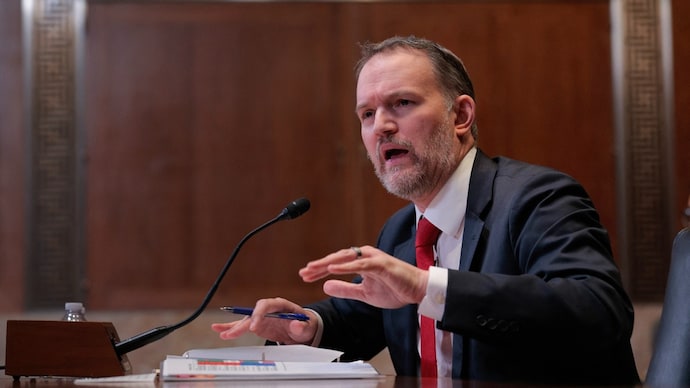
• High-Level Meetings: US Deputy Trade Representative Rick Switzer is leading the US delegation in New Delhi, engaging in intense negotiations with India’s chief negotiator and Commerce Department Joint Secretary Darpan Jain. Commerce Secretary Rajesh Agrawal is overseeing the talks for the Indian side.
• Framework Deal on the Horizon?: Both sides are keen to finalize the first phase of a framework trade deal before the end of the year. This initial agreement would address some of the immediate pain points for Indian exporters, particularly tariff barriers.
• Escalating Trade Tensions: Despite the positive overtures, recent developments have added a layer of complexity. The US has imposed a 50% tariff on Indian goods linked to New Delhi's purchase of Russian oil. Additionally, there’s growing pressure from US agricultural interests to address what they perceive as unfair practices by India, including rice exports.
• Trump's Concerns: Former President Donald Trump has voiced his displeasure regarding Indian rice exports, hinting at possible additional tariffs if a deal cannot be reached. This highlights the political sensitivity of trade and the need for deft negotiation to navigate these complexities.
Expert Analysis and Implications
"The Indian market is incredibly important, but also very protective," explains Dr. Anya Sharma, a trade economist at the Brookings Institution. "The key challenge is balancing India's need to protect its agricultural sector with the US’s desire for greater market access. It’s a delicate dance."
The US wants to significantly lower tariffs on agricultural products to boost American exports. India, however, is wary of this, fearing that cheaper imports could damage its local farmers and dairy producers. This fundamental clash of interests is the core challenge.
The recent escalation in trade tensions, including the US tariffs on Indian goods and the potential for additional duties, adds another layer of complexity. These measures are designed to pressure India to make concessions. However, such moves risk further souring relations and potentially derailing the negotiations.
The potential for a framework agreement by the end of the year represents a realistic, albeit modest, goal. Such an agreement could help mitigate some of the immediate challenges facing Indian exporters and lay the groundwork for a more comprehensive deal down the line. It would also signal the commitment of both parties to improving the trade relationship even as broader sticking points persist.
Political considerations are undoubtedly at play. Both the US and India are looking to strengthen their economic ties. A successful trade deal would provide significant benefits, boosting trade, investment, and job creation. The geopolitical landscape is another driver, with both countries keen to deepen their strategic partnership, partly as a counterweight to China’s growing influence.
Navigating the Road Ahead
The road ahead will be filled with tough negotiations and compromises. Finding a balance that satisfies both sides will require both countries to demonstrate flexibility and a willingness to compromise. The US needs to understand the economic realities and political constraints faced by the Indian government, while India must recognize the legitimate concerns of American businesses. Both must be ready to make concessions to get a deal done.
Conclusion
The India-US trade talks are at a pivotal moment. The latest market access offer from India is a positive development, but significant challenges remain. While a framework agreement may be within reach, the deeper issues of agricultural trade and rising trade tensions require careful navigation. Whether these two major economies can bridge the gap and forge a lasting trade partnership will be determined by the skills of the negotiators and their ability to navigate a complex and evolving global landscape. The world will be watching closely, as the success of these talks will have significant implications for global trade and geopolitical alignments.