India's Nuclear Gambit: The Day the World Held Its Breath (and the CIA Scrambled)
The desert air shimmered with heat, but on May 11, 1998, something far more volatile was brewing beneath the sands of Pokhran, Rajasthan. This wasn’t just any day; it was the day India, against the expectations of the world, announced its arrival as a nuclear power. The announcement, coming after a series of secret tests, sent a jolt of seismic proportions through global capitals – especially Langley, Virginia, where the CIA was left scrambling to understand how they’d missed such a monumental development.
For decades, India had maintained a policy of “peaceful nuclear explosions,” a carefully crafted ambiguity that kept the international community guessing. This posture, combined with its burgeoning technological prowess, fueled speculation, but few – especially in the West – truly believed India had the capability, or the will, to go nuclear. The prevailing assumption was that India, facing economic constraints and potential international sanctions, would shy away from such a provocative step.
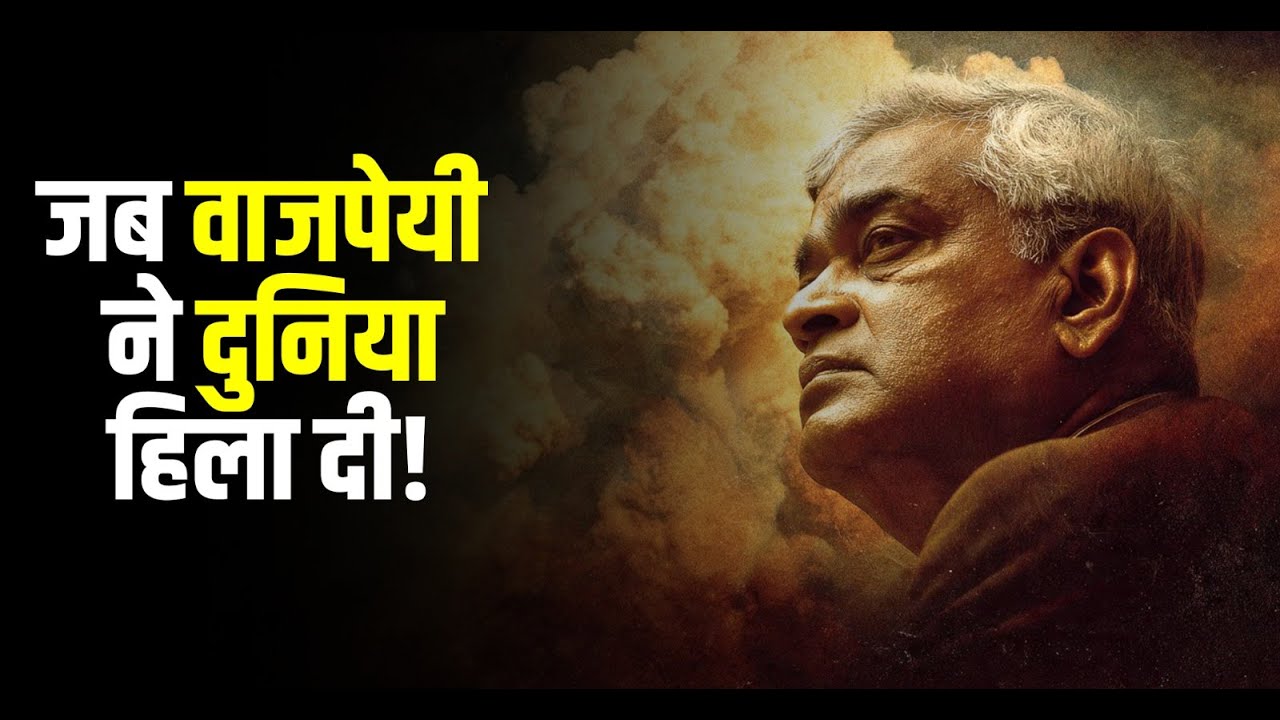
However, behind the scenes, a different reality was taking shape. Driven by a complex mix of national security concerns, regional rivalries, and a desire to assert its place on the world stage, India, under the leadership of Prime Minister Atal Bihari Vajpayee, had quietly been preparing for this moment. The operation, codenamed “Shakti” (Power), was a testament to India's ambition and its willingness to challenge the existing global order. The tests, conducted in a series of underground detonations, demonstrated India's capacity to build and deploy nuclear weapons, forever altering the strategic balance in South Asia.
So, what exactly happened? Here's a breakdown of the key developments that shook the world:
• The Surprise Tests: On May 11 and 13, 1998, India conducted five nuclear tests, including a thermonuclear device, in the remote Pokhran test site. The scale and sophistication of the tests far exceeded initial estimates, showcasing a remarkable technological leap.
• CIA's Intelligence Failure: US intelligence agencies, including the CIA, were caught off guard. Despite years of monitoring India's nuclear program, they failed to anticipate the timing or the extent of the tests. This sparked intense criticism and a major internal review within the agency.
• Global Condemnation: The international community, led by the United States, reacted swiftly and negatively. Sanctions were imposed, and India faced widespread condemnation for violating the Nuclear Non-Proliferation Treaty (NPT).
• Regional Tensions: The tests dramatically escalated tensions with neighboring Pakistan, which responded with its own nuclear tests shortly thereafter, plunging the region into a dangerous nuclear arms race. The threat of war loomed large.
• Redefining India's Strategic Posture: India justified its actions as essential for national security, particularly in light of its tense relationship with China and its rivalry with Pakistan. This move signaled a definitive shift in India's strategic thinking, moving it away from non-alignment and towards a more assertive foreign policy.
• Economic Impact & Resilience: Initial economic shocks were felt, with sanctions affecting foreign investment. However, India's robust economy, a burgeoning IT sector and significant domestic market largely weathered the storm. Showing a remarkable resilience and self-reliance.
To understand the significance of this event, we turn to Dr. Srikumar Banerjee, a former Chairman of the Atomic Energy Commission of India, a leading authority on nuclear policy. “India's decision was a watershed moment,” he says. “It signaled India's resolve to safeguard its strategic interests in a complex and often hostile world. The tests were a bold statement, but they were also a calculated risk.” He adds that the response from the international community, though critical, ultimately recognized India’s right to self-defense, paving the way for eventual normalization of relations.
Another expert, Professor Sumit Ganguly, a distinguished scholar of South Asian politics, points out the impact on the region. “The Pokhran tests unleashed a chain reaction,” he argues. “Pakistan’s response, while expected, heightened the risk of nuclear conflict in South Asia. This era forced the world to acknowledge the precariousness of the situation. It brought the threat of nuclear war closer to home for millions.” He emphasizes that the tests fundamentally reshaped the strategic calculus in the region.
In conclusion, India’s 1998 nuclear tests were more than just a technological achievement; they were a political statement, a strategic gamble, and a turning point in India's history. The tests reshaped the global balance of power, forcing the world to confront the reality of a nuclear India. The immediate consequences were dramatic – sanctions, condemnation, and heightened regional tensions. But the long-term impact is still unfolding. India's actions, and the reactions they provoked, continue to shape its foreign policy, its relationship with its neighbors, and its role on the world stage. It's a legacy of calculated risk, strategic ambition, and the enduring quest for a place among the world's most powerful nations.