)
US Supreme Court Ruling: A Trade Deal in Turmoil
On February 20, 2026, the US Supreme Court delivered a blow to former President Trump's trade policies, invalidating his global tariffs. This decision has sent ripples across international markets, particularly impacting the recently announced interim trade deal between the United States and India. The ruling has thrown the agreement into uncertainty, forcing India to reassess its trade strategy with the US.
The Fallout: Tariffs, Deals, and Political Backlash
After the Supreme Court struck down Trump's original tariffs, he moved to implement a new 15% global tariff under Section 122 of the Trade Act of 1974. This move, while legally questionable, has created immediate challenges for India. The India-US trade deal, which was announced earlier this month, is now under scrutiny. The deal aimed to reduce tariffs on Indian goods. The new US tariffs now apply, temporarily. This has triggered criticism in India, with opposition parties questioning the timing and practicality of the agreement.
• Key Facts: • The US Supreme Court invalidated Trump's initial tariffs. • Trump responded with a new 15% global tariff. • The India-US trade deal is now subject to review.
• Signal vs. Noise: • Signal: The legal basis of the India-US trade deal is in question. • Noise: Trump's comments that the deal will continue, despite the legal changes.
The Congress Party has called for a review of the interim trade deal, criticizing the urgency with which it was finalized. They argue that the decision to proceed before the court's ruling was unwise. Former Finance Minister P. Chidambaram has also raised concerns about India's concessions in the deal, especially in light of the new developments. Expert analysis suggests that India may have conceded too much in the initial agreement, without achieving significant reciprocal benefits.
Expert Analysis: Unpacking the Trade Implications
International affairs expert Brahma Chellaney highlights that the Indian government has a history of making trade concessions. He stated that the new trade deal includes commitments, such as the gradual reduction of Russian oil imports, and the restriction of oil transfers in India's maritime zones for ships under Western sanctions. The ruling directly impacts Indian exports. About 55 percent of Indian exports to the United States faced the original 25 percent tariff. This is now replaced by the 15 percent global tariff. The legal basis of the India-US deal rests on the joint statement of February 6. Any tariff changes allow the other country to respond. India must now reevaluate the deal.
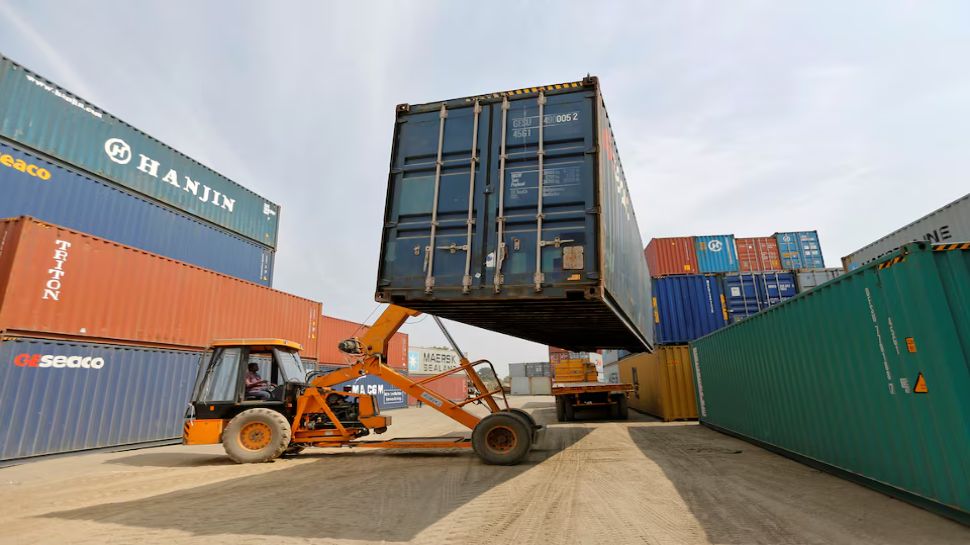
• Impact on Indian Exports: • 55% of Indian exports now face a 15% tariff, replacing the previous 25% tariff. • Exemptions remain for products like smartphones, medicines, and petroleum. • Products like steel, aluminum, and auto parts face uniform tariffs.
• Legal Weaknesses of the New Tariffs: • Section 122 tariffs are limited to 150 days. • They require evidence of balance of payments problems, which are not present in the US.
Experts also recommend that India step back and observe the changing situation before making further commitments. They emphasize that the previous agreement is now irrelevant. The Indian Commerce Ministry has confirmed that it is reviewing the Supreme Court ruling and the new developments announced by the US administration.
The Bottom Line
The US Supreme Court's decision has created significant uncertainty regarding the India-US trade deal. The new tariffs imposed by the US, and their potential legal challenges, require India to reassess its strategy. A careful review of the agreement is necessary to protect India's economic interests and ensure that future trade relations are based on mutual benefit and legal clarity.