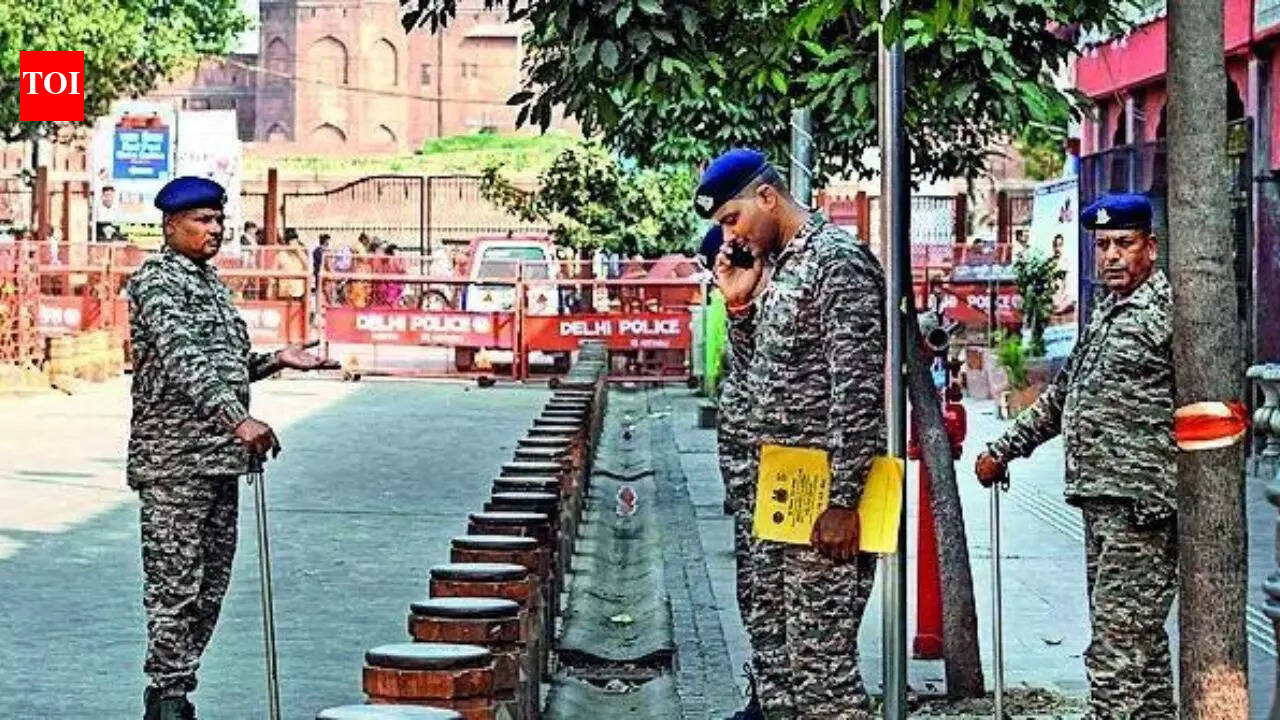
Delhi on High Alert: Terror Module Exposed
Delhi Police have successfully neutralized a significant terror threat, arresting eight individuals linked to the Lashkar-e-Taiba (LeT). The suspects, including seven Bangladeshi nationals, were apprehended in a multi-state operation. Authorities believe the module was planning a major attack, potentially targeting a prominent temple in Chandni Chowk. This operation highlights the ongoing challenges of combating terrorism and maintaining national security.
Anatomy of the Operation: From Posters to Arrests
The operation began following the discovery of provocative posters at Delhi Metro stations. These posters, which glorified slain terrorist Burhan Wani and contained pro-Pakistan slogans, served as a catalyst for the investigation. The police quickly identified the incident as a calculated act of psychological warfare and a test of the module's capabilities.
• Initial Trigger: Pro-Pakistan posters at metro stations. • Lead: Digital and physical trail analysis of the perpetrators. • First Arrests: Two suspects apprehended in Kolkata. • Subsequent Raids: Simultaneous raids in Tamil Nadu led to the arrest of six more suspects. • Evidence: Radicalizing content, financial instruments, and travel documents seized.
The Investigation Trail
The investigation, which involved the Special Cell, began with the technical analysis of mobile data and transit patterns. This led the police to Kolkata, where they identified a hideout in the Majherpara area of Hatiara Gote. Umar Faruk and Robiul Islam were the first to be apprehended. Interrogation revealed crucial information about the module's structure, radicalization process, and potential targets.
Further investigation led to simultaneous raids in Tiruppur, Tamil Nadu. Six additional suspects were arrested, and a significant amount of incriminating evidence was recovered. The seized materials included mobile phones containing radicalizing content, credit and debit cards, POS machines, and original Bangladeshi passports and identity cards.
The Threat Landscape: Analyzing the Risks
This bust underscores the persistent threat of terrorism and the importance of vigilance. The involvement of foreign nationals, coupled with the sophisticated nature of the plot, highlights the evolving tactics of terrorist organizations. The use of psychological warfare, such as the metro station posters, demonstrates a shift towards broader strategies.
• Target Selection: A temple in Chandni Chowk, near the Red Fort, was identified as a potential target. • Radicalization: The suspects possessed radicalizing content, indicating ideological motivations. • Financial Networks: The seizure of credit cards, debit cards, and POS machines suggests the presence of financial support. • International Connections: The involvement of Bangladeshi nationals raises questions about cross-border linkages.
Expert Analysis
"This operation demonstrates the effectiveness of proactive intelligence gathering and swift action," states security analyst, Rohan Verma. "The Delhi Police have successfully disrupted a dangerous network, but this incident serves as a reminder that the threat of terrorism remains a serious concern." Verma also emphasized the importance of international cooperation in combating terrorism, particularly in sharing intelligence and coordinating operations across borders.
The Bottom Line
The successful foiling of the LeT module's plot is a testament to the dedication and effectiveness of India's law enforcement agencies. However, the incident serves as a stark reminder of the persistent threat of terrorism. Continued vigilance, enhanced intelligence gathering, and international cooperation are crucial to mitigating this threat and ensuring the safety and security of the nation. The investigation is ongoing, and further arrests or revelations are possible.