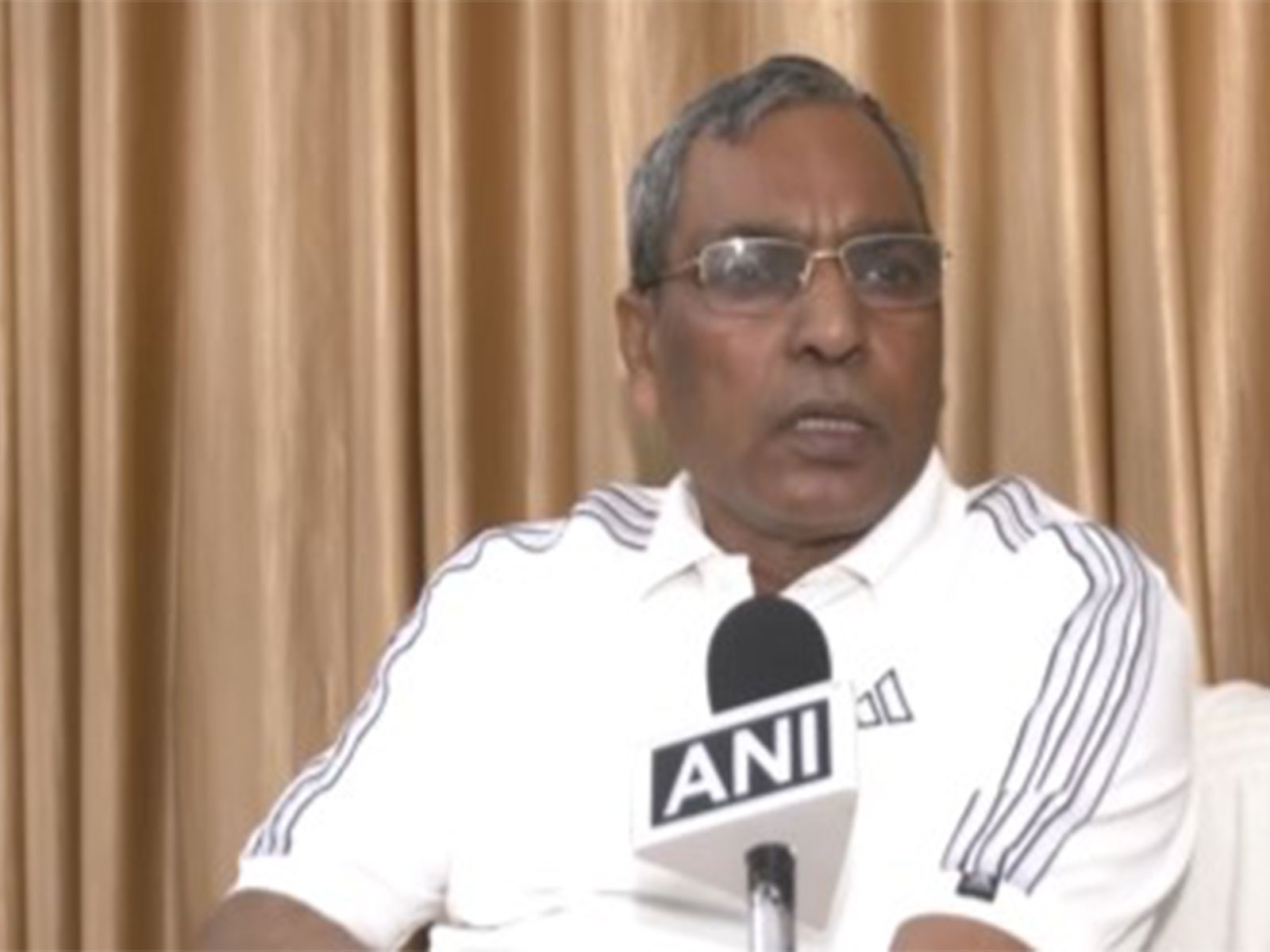
The death of Iran's Supreme Leader Ayatollah Ali Khamenei has sparked protests and heightened tensions in West Asia, prompting a response from India. Uttar Pradesh Minister OP Rajbhar stated the government's commitment to maintaining order amid demonstrations by the Shia community. Simultaneously, Prime Minister Narendra Modi addressed the escalating situation, reiterating India's stance on dialogue and diplomacy.
India's Response: Order and Diplomacy
Following the death of Ayatollah Khamenei, protests have emerged, drawing a response from Indian authorities. Minister Rajbhar emphasized the commitment of both central and state governments to maintain order. The Prime Minister's office has engaged with regional leaders to ensure the safety of Indian nationals in the region.
• Government Commitment: Uttar Pradesh Minister OP Rajbhar assured that both the Central and State governments are dedicated to maintaining order amidst the protests. • Diplomatic Stance: Prime Minister Narendra Modi has reaffirmed India's commitment to resolving conflicts through dialogue and diplomacy. • Safety of Nationals: The Indian government is actively monitoring the situation and is in communication with regional countries to ensure the safety of Indian citizens.
India's measured response underscores its long-standing foreign policy principles. The nation has consistently advocated for peaceful resolutions through negotiation, steering clear of direct involvement in conflicts.
Modi's Address: Concerns Over West Asia
Addressing the escalating conflict in West Asia, Prime Minister Modi expressed grave concern. He highlighted India's consistent advocacy for dialogue and diplomacy as the primary means to resolve global conflicts. This stance reflects India's broader foreign policy objectives, aiming for stability and peace in the region.
• Dialogue and Diplomacy: PM Modi reiterated India's firm belief in dialogue and diplomacy to resolve disputes. • Shared Concerns: The Prime Minister emphasized shared concerns about terrorism, extremism, and radicalization, viewing these as global challenges. • Collective Action: He stressed the need for close international cooperation to address these threats and maintain global peace.
India's focus remains on safeguarding its citizens and contributing to regional stability through diplomatic channels, showcasing its commitment to a rules-based international order.
The Broader Context: Geopolitical Implications
The death of Ayatollah Khamenei and the ensuing unrest add a layer of complexity to the already volatile geopolitical landscape. The joint US-Israel military strikes and the resulting protests have the potential to destabilize the region further.
• Regional Instability: The events have the potential to escalate tensions across the Middle East. • International Relations: India's response highlights its role as a responsible global player, prioritizing dialogue and cooperation. • Economic Impact: Escalating tensions could impact global energy markets and trade routes.
Experts suggest that the situation calls for careful navigation through diplomatic channels to prevent further escalation and to safeguard the interests of all stakeholders.
The events underscore the interconnectedness of global affairs. India's actions reflect its commitment to promoting peace and stability in a region vital to its strategic and economic interests.
Signal vs. Noise
Signal: India's consistent call for dialogue and diplomacy in resolving conflicts, emphasizing the safety of its nationals abroad.
Noise: Speculation on potential alliances and the scope of external involvement, which could lead to inaccurate conclusions.
The Bottom Line
India's response to the death of Ayatollah Khamenei and the ensuing regional instability emphasizes its commitment to peace, diplomacy, and the safety of its citizens. As the situation evolves, India is expected to maintain its course, prioritizing dialogue and cooperation in the interest of regional and global stability.