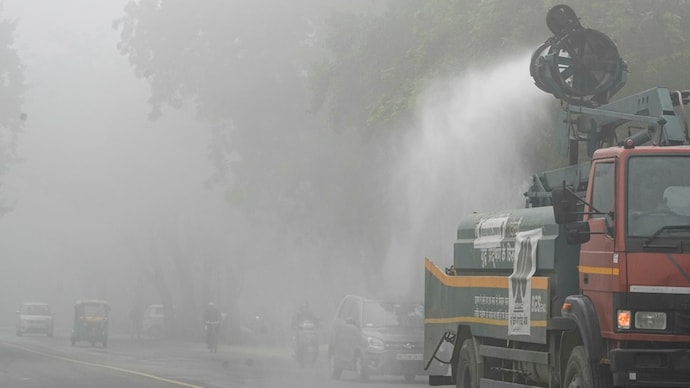
Delhi Grapples with Smog: Flight Disruptions Continue
Delhi residents awoke once again to a thick, choking blanket of smog on Tuesday, as air quality continued to plummet, causing significant disruption to air travel for a second consecutive day. The persistent pollution, a seasonal hazard in the capital, has triggered the cancellation of over 100 flights, leaving thousands of passengers stranded and exacerbating concerns about the city's dire environmental situation.
The dense smog, a mixture of pollutants from various sources, including vehicular emissions, industrial activity, and stubble burning in neighboring states, has settled over Delhi, significantly reducing visibility and creating hazardous breathing conditions. This annual phenomenon poses a major challenge for the city and the authorities tasked with mitigating its impacts.
Key Context and Background
The air quality in Delhi consistently deteriorates during the winter months, when cooler temperatures trap pollutants closer to the ground. This, combined with seasonal factors like wind patterns, creates a perfect storm for smog formation. The Air Quality Index (AQI) has repeatedly breached 'severe' categories, prompting health warnings for vulnerable populations and the implementation of emergency measures. Previous instances have seen schools shut down and construction activities halted to curb pollution levels. The current crisis is a stark reminder of the persistent environmental challenges faced by Delhi.
Main Developments
The situation unfolding today reflects the worsening air quality and its immediate consequences:
• Flight Cancellations and Delays: Over 100 flights have been cancelled at Delhi's Indira Gandhi International Airport (IGI) due to poor visibility. Numerous other flights have been delayed, causing a ripple effect throughout the air travel network.
• Visibility Issues: Visibility dropped to critically low levels, severely impacting aircraft operations. Fog and smog conditions rendered it difficult for pilots to safely land and take off, resulting in the drastic measures.
• Passenger Disruption: Thousands of passengers are facing significant disruptions to their travel plans, with many stranded at the airport and forced to reschedule their journeys. Airport authorities are working to assist affected passengers by providing updates and facilitating alternative arrangements.
• AQI Levels Remain Critical: The Air Quality Index (AQI) readings across various monitoring stations in Delhi continue to be in the 'severe' category, far exceeding permissible limits. This indicates the extremely poor air quality that the city is currently experiencing.
• Government Response: The Delhi government has initiated measures, which include urging people to work from home where possible, and has stepped up efforts to enforce existing pollution control regulations. The enforcement drive is being closely monitored by several government bodies.
• Health Advisory Issued: Public health advisories have been re-issued, urging vulnerable groups, such as the elderly, children, and those with respiratory ailments, to stay indoors and avoid strenuous activities.
##Implications
The ongoing flight disruptions highlight the economic costs of the air pollution. The financial repercussions extend beyond the airlines, impacting tourism, trade, and overall productivity. Furthermore, the health costs associated with exposure to hazardous air quality are significant, leading to increased healthcare burdens and reduced quality of life for residents. The persistent nature of the problem, and its recurring impact, calls into question the long-term sustainability of current policies.
It’s also crucial to remember that this affects the city’s international standing. Repeated episodes of such severe air pollution can deter investment and tourism, affecting Delhi's global image.
Forward-Looking Conclusion
As the smog continues to shroud the capital, the immediate focus remains on mitigating the disruption and protecting public health. However, the recurring nature of this crisis necessitates a more comprehensive and proactive approach. This involves strengthening long-term strategies, addressing all pollution sources with vigor, implementing stricter regulations, and ensuring their effective enforcement. The authorities face a pressing need to collaborate with neighboring states and take decisive action to curb the sources of pollution. Only by taking a holistic approach, that includes measures to promote cleaner energy sources, improved public transport systems, and a public understanding of the challenges, can Delhi hope to alleviate this perennial threat and improve the quality of life for its residents.