Srinagar Airport Transformation: A ₹1,677 Cr Investment
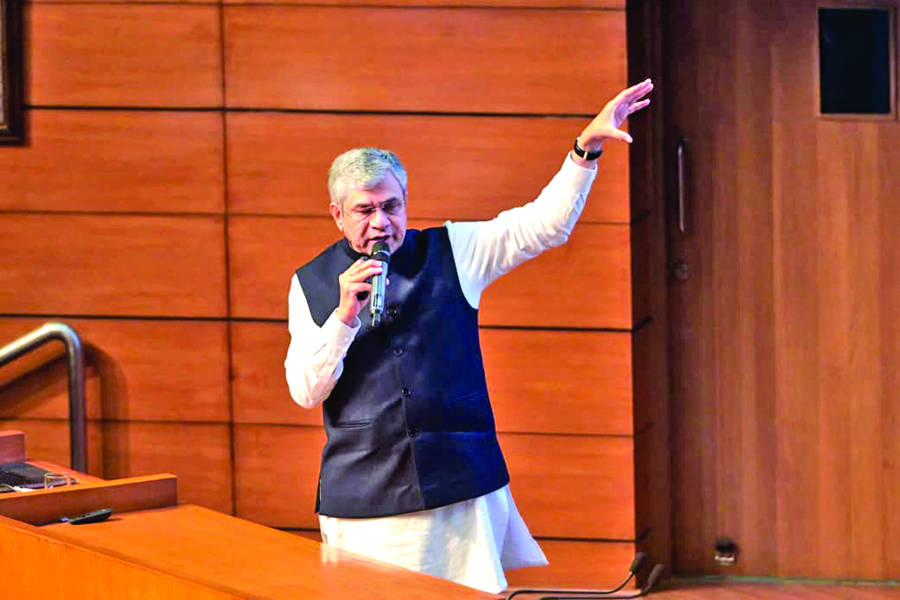
On February 24, 2026, the Union Cabinet greenlit a significant expansion of the civil enclave at Srinagar International Airport, allocating an estimated ₹1,677 crore for the project. This ambitious undertaking aims to dramatically enhance aviation infrastructure and connectivity within the Kashmir Valley. This decision, announced by Information & Broadcasting Minister Ashwini Vaishnaw, marks a pivotal moment for the region's economic and tourism prospects.
Project Scope and Infrastructure Upgrades
The expansion encompasses a comprehensive overhaul designed to modernize and increase the airport's capacity. The project's scope is extensive, with a focus on passenger experience, operational efficiency, and environmental sustainability.
- New Terminal Building: The centrepiece of the expansion is a state-of-the-art terminal building spanning 71,500 square meters. It will include 20,659 square meters of existing structure. The design will accommodate 2,900 passengers during peak hours. The annual capacity is set for 10 million passengers per annum (MPPA).
- Aircraft Parking: The expanded apron will feature 15 aircraft parking bays, including one wide-body (Code E). This expansion is crucial for handling increased traffic.
- Multi-Level Car Parking: A multi-level car parking facility for 1,000 cars will be constructed, addressing parking needs.
- Security Barracks: The project also includes construction of barracks for security personnel.
This expansion will transform the airport into a world-class facility, reflecting a fusion of modern design with the rich cultural heritage of Kashmir.
Signal vs. Noise:
- Signal: The investment in airport infrastructure signals a strong commitment to boosting tourism and economic growth in the region.
- Noise: The project's success hinges on efficient execution, timely completion, and effective integration with existing infrastructure.
Economic and Tourism Impact: Beyond Infrastructure
The Srinagar airport expansion is poised to be more than just an infrastructure project. It is projected to catalyse tourism and economic growth, drawing in more visitors and investment. The airport's strategic importance extends to enhancing access to the iconic attractions of the Kashmir Valley.
- Tourism Boost: Improved connectivity will make it easier for tourists to visit attractions like Dal Lake, Shankaracharya Temple, and the Mughal Gardens. This ease of access is expected to increase tourist footfall, boosting the local economy.
- Economic Growth: The project is expected to generate employment opportunities and stimulate investment across various sectors. The ripple effects will extend to hospitality, transportation, and local businesses.
- Sustainable Practices: The new civil enclave will incorporate advanced water harvesting systems, maximize natural lighting to reduce energy consumption, and utilize locally sourced, eco-friendly materials to minimize its carbon footprint.
Expert Analysis:
- Connectivity's Key Role: Aviation expert, Dr. Anjali Sharma, notes, "Enhanced air connectivity is a critical driver of economic development in regions with high tourism potential. Srinagar's airport expansion will unlock significant opportunities."
- Sustainability Imperative: "The focus on sustainable practices demonstrates a forward-thinking approach that aligns with global environmental goals," says urban planner, Mr. Rohan Verma.
The Bottom Line
The Srinagar airport expansion represents a bold step towards modernizing infrastructure, promoting economic growth, and boosting tourism in the Kashmir Valley. With its state-of-the-art facilities, enhanced connectivity, and commitment to sustainability, the project promises to transform Srinagar into a premier destination for tourists and a thriving economic hub. The initiative reflects a broader trend of infrastructure development, driving India’s growth story. This project's success will depend on efficient execution and effective integration with the region's existing infrastructure and local communities.