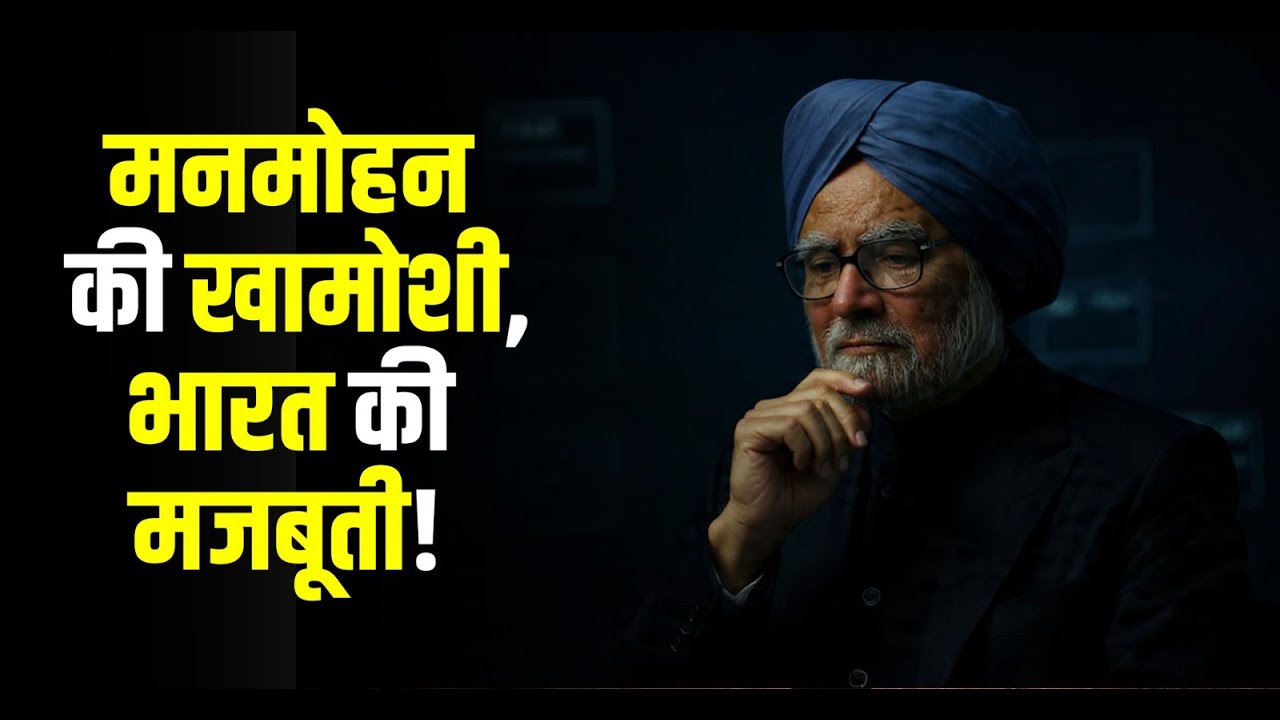
Manmohan Singh's Foreign Policy: A Legacy of Quiet Diplomacy and Strategic Shifts
For a decade, from 2004 to 2014, India navigated a rapidly changing world under the leadership of Prime Minister Manmohan Singh. While his domestic economic reforms often hogged the limelight, Singh’s foreign policy, driven by a philosophy of quiet diplomacy and strategic engagement, deserves close scrutiny. It was a period marked by both significant successes and missed opportunities, a time when India truly began to emerge as a global player, albeit cautiously.
The Inherited Landscape
Singh inherited a foreign policy framework largely shaped by the previous National Democratic Alliance (NDA) government, which emphasized closer ties with the United States and a more assertive stance on issues of national security. However, he brought a different style to the table. A renowned economist, Singh approached international relations with a pragmatism and a focus on India’s economic development. His foreign policy was, above all, an extension of his economic vision: to create an environment conducive to India’s growth and global integration. He believed that a stable and cooperative international order was essential for India’s progress.
Key Developments During Singh's Tenure
Singh's time in office witnessed numerous pivotal shifts in India's foreign policy landscape. Here are some of the most significant:
• The US-India Nuclear Deal (2008): Arguably the cornerstone of Singh’s foreign policy legacy, the deal normalized nuclear cooperation with the United States, ending decades of isolation. It dramatically improved relations with Washington and opened up avenues for technological and economic partnership. This was a bold move, navigating complex international treaties and domestic political opposition. It was, however, not without its detractors, who worried about compromising India’s strategic autonomy.
• Enhanced Engagement with Southeast Asia: Singh championed the “Look East Policy,” significantly boosting India's economic and strategic ties with the Association of Southeast Asian Nations (ASEAN) and the broader Asia-Pacific region. This move served as a counterweight to China's growing influence and facilitated India's access to key markets and resources. The focus was on economic cooperation, but the strategic implications were undeniable.
• Strengthening Ties with Japan: Building on existing partnerships, Singh’s administration invested in a strategic relationship with Japan. This included joint infrastructure projects and cooperation in defence and security. This alignment with Japan helped in the creation of a powerful counterweight to the increasingly assertive People’s Republic of China.
• Maintaining Cordial Relations with Russia: Despite growing engagement with the West, Singh ensured that India's historical partnership with Russia remained robust. Russia continued to be a crucial supplier of defence equipment and a partner in strategic areas. This careful balancing act reflected Singh’s pragmatic approach to international relations.
• Focus on Multilateralism and Global Governance: Singh was a strong advocate for a more equitable global order, pushing for reforms in international institutions such as the United Nations and the World Bank. He saw India’s growing influence as an opportunity to shape global governance to better reflect the realities of the 21st century.
• Dealing with Pakistan: This remained one of the most challenging aspects of Singh’s foreign policy. While he made sincere efforts to improve relations with Pakistan, including backchannel diplomacy and dialogue, progress was often hampered by cross-border terrorism and political instability in Pakistan. Singh maintained a nuanced approach, combining dialogue with a firm stance against terrorism.
Expert Analysis and Implications
“Manmohan Singh’s foreign policy was characterized by a blend of realism and idealism,” says Professor Srinath Raghavan, a leading expert on Indian foreign policy at King’s College London. “He understood the importance of economic diplomacy and sought to create a favorable external environment for India’s growth. However, he also believed in the power of multilateralism and India’s role in shaping a more just and equitable world.”
One of the most significant implications of Singh’s foreign policy has been the normalization of India’s relationship with the United States. This strategic partnership continues to shape India’s foreign policy today. Another lasting impact is the deepening of India’s economic and strategic ties with East Asia, which has become a crucial area for Indian diplomacy.
However, some critics argue that Singh's foreign policy was often too cautious. They point to missed opportunities, particularly in expanding India's influence in its neighborhood. Others say his focus on economic diplomacy sometimes overshadowed strategic considerations. Some analysts believe that a more assertive approach could have yielded greater dividends.
Nonetheless, Singh's pragmatic and steady hand at the helm of Indian foreign policy helped lay the foundation for India’s rise as a major global power. His focus on economic development, his cultivation of strategic partnerships, and his commitment to multilateralism have all left an enduring imprint on India’s international relations.
Forward-Looking Conclusion
Looking ahead, the legacy of Manmohan Singh’s foreign policy continues to inform India’s approach to the world. His emphasis on strategic autonomy, his commitment to a rules-based international order, and his prioritization of economic development remain central to India’s foreign policy outlook. While the global landscape has evolved significantly since Singh left office, the principles he espoused continue to shape India’s engagement with the world. The challenges are numerous – from managing relations with an assertive China to navigating the complexities of a multipolar world – but the foundations laid during Singh's tenure will undoubtedly influence India's trajectory in the years to come. India, under his leadership, was no longer just a regional player; it was ready to take its place on the global stage. His legacy is one of steady, deliberate progress toward that goal.