'Dhurandhar 2' Sparks Political and Public Debate in India
Amidst the backdrop of intense public and industry scrutiny, 'Dhurandhar 2' has become a focal point, with varied reactions from political figures and audiences alike. BJP MP Gulam Ali Khatana has voiced his support, emphasizing themes of nationalism, while others question the film's messaging. The sequel, released on March 19, follows an undercover agent navigating a complex terror network, building on the success of its predecessor.
BJP's Endorsement and the Patriotism Debate
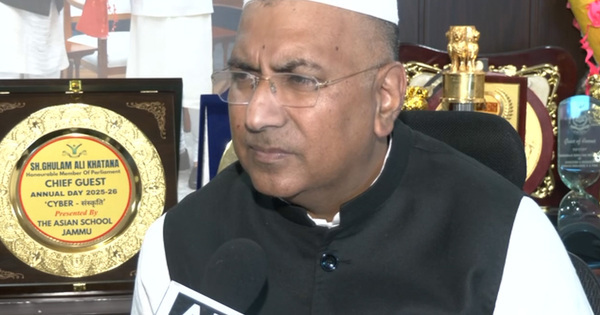
BJP MP Gulam Ali Khatana has added fuel to the fire, claiming the film reflects a shift towards realism and patriotism. He argues that the youth are drawn to truth and reality, and that cinema plays a role in fostering national pride.
- Khatana's Stance: Praises the film for aligning with nationalistic sentiments and the youth's preference for truth.
- The 'Divide and Rule' Accusation: Khatana criticizes previous administrations for prioritizing division over national unity.
- Call for Sacrifice: He encourages citizens to have a passion for sacrificing their lives for the nation, as he sees in the film.
This stance has been met with both support and criticism, with some praising the film's portrayal of patriotism and others questioning its potential to create division. Political commentators highlight that such endorsements are not just about cinema, but also about shaping public perception.
Signal vs Noise
- Signal: BJP's support indicates the film's alignment with their political narrative.
- Noise: The controversy distracts from the film's artistic merit, leading to politicization.
Mixed Reactions and Accusations of Propaganda
The film has drawn fire from various political leaders. Congress MP Tariq Anwar sees it as a hate-driven film aligned with the BJP's agenda, potentially benefiting Pakistan and promoting communal discord. Husain Dalwai, another Congress leader, went further, calling it propaganda and demanding a ban. These criticisms are rooted in concerns about the film's funding and censor approval, indicating anxieties about the influence of cinematic narratives.
However, the film has also found supporters. Former J&K DGP S.P. Vaid defended it, saying it portrays harsh but factual realities. Waris Pathan, a national spokesperson, expressed caution, stating that films should focus on knowledge and entertainment.
Key Criticisms
- Hate-Mongering: Critics accuse the film of targeting a community and promoting division.
- Propaganda Allegations: The film's funding and censor approval have been questioned.
- Focus on Entertainment: Some argue that movies should prioritize entertainment and knowledge over political agendas.
Actor Prakash Raj also joined the debate, questioning the wave of praise from South Indian stars, suggesting obligations and external influence. This sparked social media backlash, adding another layer to the controversy.
Industry Reactions: Praise and Scrutiny
Despite the criticism, 'Dhurandhar 2' has garnered significant praise from the film industry. Renowned filmmaker S. S. Rajamouli lauded the sequel, calling it an improvement over the original and praising its writing, performances, and emotional depth. Rajamouli specifically commended Ranveer Singh and R. Madhavan for their impactful roles.
Director Aditya Dhar, Ranveer Singh, and other actors involved have received positive feedback for their work. The film's commercial success, building upon the original's record-breaking performance, underscores its appeal to a broad audience.
Industry Praise Breakdown
- S. S. Rajamouli: Praised the film's scale, soul, writing, and performances, especially Ranveer Singh and R. Madhavan.
- Ram Gopal Varma: Highlighted the film as a verdict on contemporary cinema, emphasizing storytelling.
- Preity Zinta: Applauded Aditya Dhar's vision and Ranveer Singh's performance, calling it 'stunning'.
The Bottom Line
The controversy surrounding 'Dhurandhar 2' reflects the complex intersection of cinema, politics, and public sentiment in India. While some hail the film's nationalistic themes, others raise concerns about its potential to promote division and spread propaganda. The mixed reactions from political figures, industry stalwarts, and the audience highlight the power of cinema to influence and reflect societal values. The ongoing debate emphasizes the need for a nuanced discussion about the role of cinema in shaping public perception and the importance of responsible storytelling.