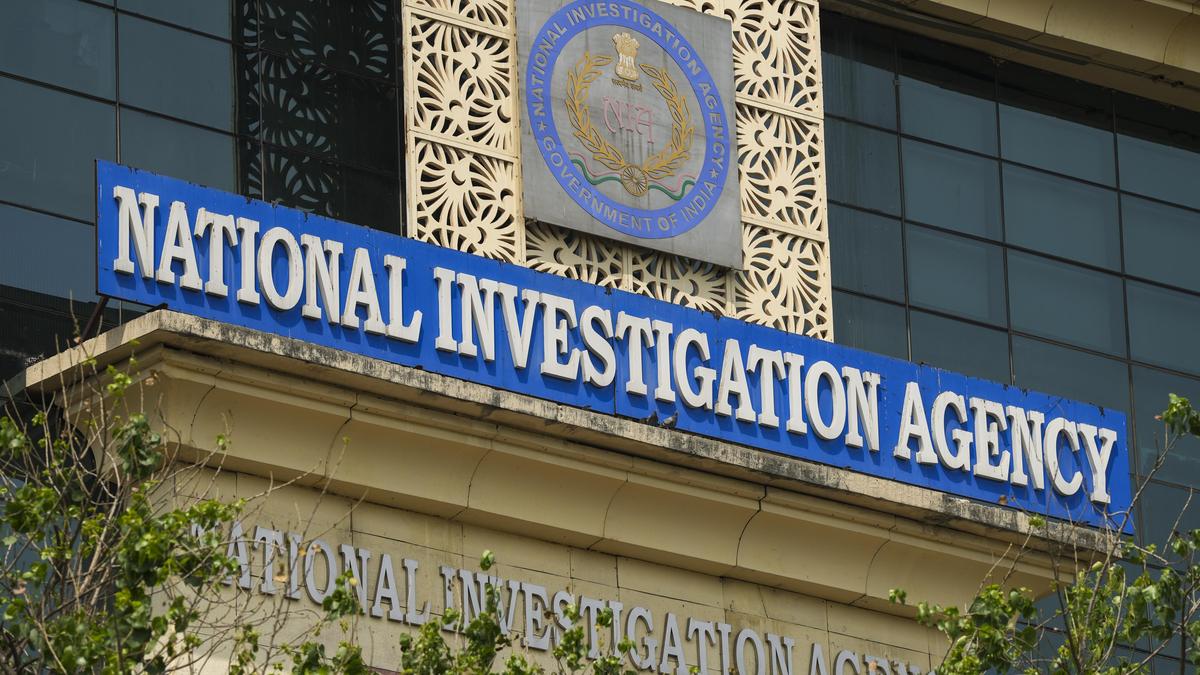
NIA Unveils Myanmar Cyber Fraud Racket: Trafficking and Exploitation Exposed
In a significant development, the National Investigation Agency (NIA) has filed a chargesheet against three individuals involved in a sophisticated cyber fraud and human trafficking operation based in Myanmar. The chargesheet, filed on February 18, 2026, details a network that lured Indian youth with the promise of legitimate jobs, only to force them into cyber scams targeting citizens of the UK, the US, and Canada. This case highlights the growing threat of transnational cybercrime and the exploitation of vulnerable individuals.
The Anatomy of a Cyber Fraud: Recruitment, Trafficking, and Exploitation
The NIA's investigation has exposed the intricate workings of this criminal enterprise. The accused, including Ankit Kumar (alias Ankit Bharadwaj), Ishtikhar Ali (alias Ali), and the absconding Chinese national Lisa, are charged under the Bharatiya Nyaya Sanhita and the Emigration Act. The investigation revealed a well-organized network involved in several illegal activities.
• Recruitment and Deception: The accused lured Indian youth with fake job offers in Thailand. • Illegal Transportation: Victims were transported to Myanmar via Thailand. • Forced Cybercrime: Once in Myanmar, the victims were forced to work in cyber scam companies. • Fraudulent Activities: They were made to create fake social media profiles and convince people in the USA, the UK, and Canada to invest in fraudulent cryptocurrency apps. • Coercion and Confinement: Those who refused were confined and coerced, also forced to pay for their release.
Signal vs. Noise:
• Signal: The chargesheet provides concrete evidence of a transnational criminal operation. • Noise: The case is complex, and the absconding Chinese national adds to the challenges of prosecution.
Detailed Breakdown
Ankit Kumar and Ishtikhar Ali played a crucial role in recruiting victims. They offered what seemed to be legitimate jobs in Thailand. They coordinated online interviews with Lisa, a Chinese national based in Myanmar, presenting her as a genuine recruiter. The victims were deceived into believing they would get secure jobs in Thailand. The accused arranged for the illegal transportation of these victims from India to Myanmar via Thailand. The youth were then forced to work in cyber scam companies in Myanmar.
The Human Cost: Victims of Trafficking and Cybercrime
The victims, primarily young Indian citizens, were subjected to horrific conditions. They were forced to engage in fraudulent activities, creating fake social media profiles to deceive people into investing in cryptocurrency scams. Those who resisted faced confinement, coercion, and demands for hefty payments for their release. The NIA's investigation underscores the human cost of cybercrime and the vulnerability of individuals to trafficking networks.
Key Takeaways
• Transnational Crime: This case highlights the interconnectedness of cybercrime and human trafficking across international borders. • Exploitation: The victims were exploited for financial gain through forced labor and cyber fraud. • Vulnerability: The case shows how easily individuals can be deceived and lured into these criminal activities.
Expert Analysis:
Cybersecurity experts emphasize the need for enhanced international cooperation to combat such crimes. They also stress the importance of public awareness campaigns to educate potential victims about the risks of online job scams and human trafficking.
The Bottom Line
The NIA's chargesheet represents a critical step in dismantling a complex cyber fraud and human trafficking network. It underscores the severity of transnational cybercrime and its devastating impact on vulnerable individuals. This case demands enhanced vigilance and cooperation to protect citizens from these sophisticated criminal enterprises. The investigation is ongoing, and further arrests are anticipated. The case serves as a warning about the ever-present dangers of online scams and the importance of verifying job offers and travel arrangements before accepting them.