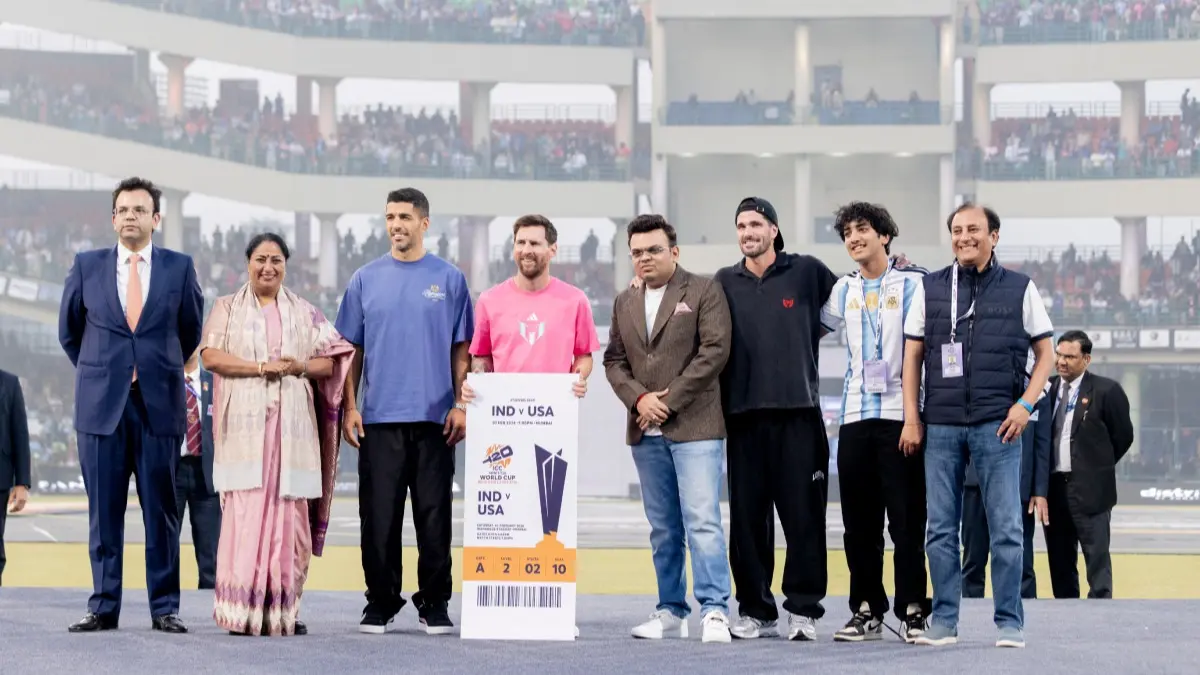
The roar of the crowd, the flashing cameras, and the excitement surrounding the anticipated event were all present, but something else cut through the celebratory atmosphere: chants of “AQI, AQI.” The air quality index, a number that has become tragically familiar to Delhi residents, was not just a statistic that day; it was a rallying cry, a protest, a demand for change that echoed through the venue. This wasn't just another sporting event; it was a potent demonstration of the capital's ongoing struggle with air pollution.
A City Choked: The Persistent Threat of Smog
Delhi, often ranked among the world's most polluted cities, has been battling toxic air for years. During the winter months, the situation often worsens, with a combination of factors – vehicular emissions, industrial activity, construction dust, and stubble burning in neighboring states – creating a thick blanket of smog. This persistent pollution poses serious health risks, leading to respiratory illnesses, cardiovascular problems, and other ailments for the city's 30 million residents. The Air Quality Index (AQI), which measures the concentration of various pollutants, frequently reaches 'severe' levels, meaning everyone is at risk.
The recent sporting event, which had garnered significant local and international attention, offered a stark illustration of this reality. While the focus was undoubtedly on the sport, the background hum was dominated by the unseen killer: toxic air.
The Event Unfolds: Pollution Takes Center Stage
At the event, a prominent figure in the local sports scene, faced an unexpected reception from the audience. The planned agenda was momentarily hijacked by the vocal concerns of those present. Here are the key developments:
• Protest Echoes: Chants of “AQI, AQI” became increasingly prevalent throughout the event, interrupting announcements and speeches. The organized nature of the calls suggests a planned protest, aiming to highlight the dire state of Delhi's air quality.
• Visual Reminders: Attendees wore masks and displayed signs referencing the AQI, visually underscoring the severity of the situation and the public's heightened awareness of the problem.
• Public Figures React: Local social media channels buzzed with commentary, with some expressing outrage at the organizers' perceived insensitivity to the city's pollution problem, while others called for greater action from the government.
• Event's Significance: The choice of a high-profile sporting event as a platform for protest underscores the organizers’ belief that these large events present an opportunity to elevate important issues to a wider audience, gaining wider media and governmental attention.
• Health Warnings Ignored?: While official health advisories were in place for the day, some participants expressed frustration that the event proceeded without clear acknowledgment of the health risks posed by the high AQI readings.
• Calls for Responsibility: The chants directed towards the events organizers implied a demand for greater social and environmental responsibility.
Looking Ahead: Seeking Solutions
The incident at the event serves as a stark reminder of the urgent need for comprehensive air pollution control measures. Government action, including stricter enforcement of emission standards, investment in public transport, and collaboration with neighboring states to address stubble burning, is crucial. Moreover, public awareness campaigns, like the ones highlighted during the event, will continue to play a crucial role in empowering residents to demand changes and advocate for their health.
Ultimately, the chants of “AQI, AQI” at the Delhi sporting event were not just a disruption; they were a wake-up call. It's a reminder that the fight against air pollution is a fight for the very future of the city, a future where clean air is not a luxury, but a right. The question now is: will authorities and stakeholders heed this call, and will the city be able to breathe a little easier?