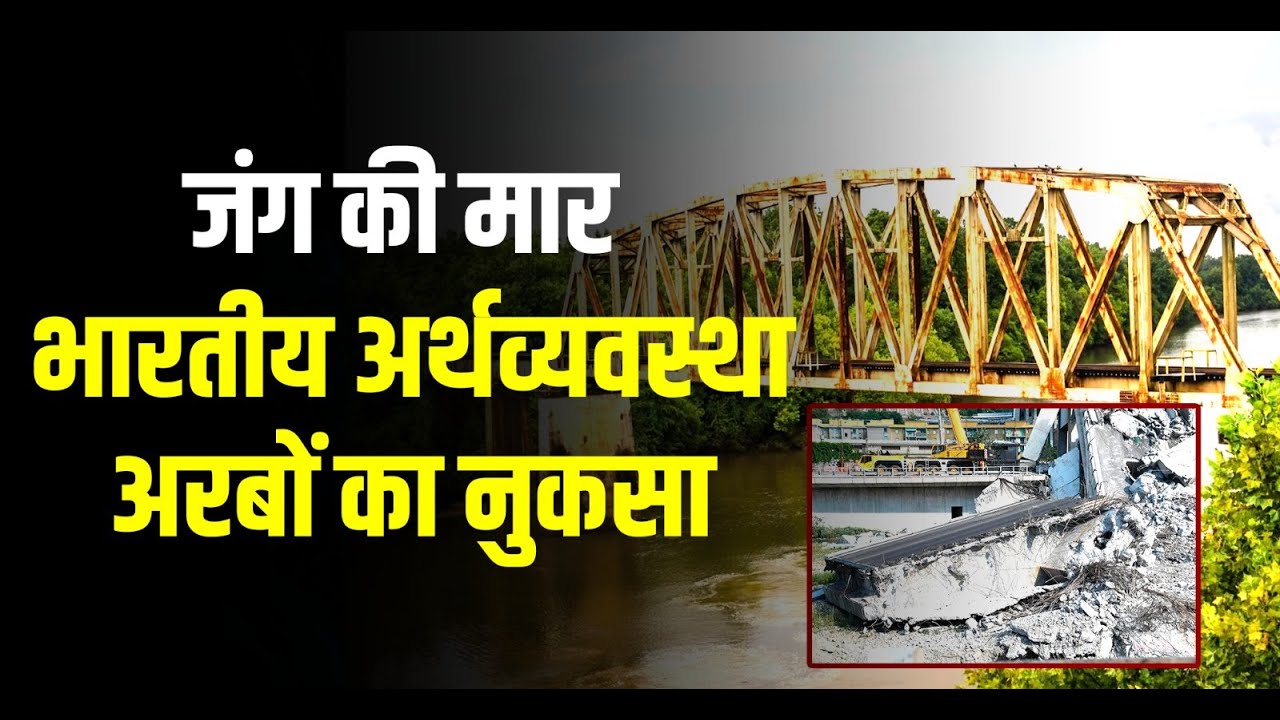
Rusting Away the Economy: A Public Alert
India is facing a silent, yet significant, economic challenge. It’s not a headline-grabbing policy debate or a sudden market crash, but something far more insidious: corrosion. This year in April, Hindustan Zinc Limited launched a public awareness campaign designed to draw attention to this often-overlooked problem and its massive financial toll.
For many, the word “corrosion” conjures images of rusty cars or decaying infrastructure. However, the reality is far more impactful. According to the company's estimates, the cost of corrosion to the Indian economy is staggering, amounting to roughly 5% of the nation’s Gross Domestic Product (GDP) annually. This translates to a loss of well over $100 billion – preventable losses that could be redirected towards critical infrastructure projects, public services, or even research and development.
The initiative from Hindustan Zinc is a timely reminder of the importance of preventative measures. But what exactly does this campaign involve?
- Public Outreach: The campaign likely utilizes various media platforms, including print, digital, and social media, to educate the public about corrosion's detrimental effects.
- Highlighting Industries Affected: The campaign is expected to showcase the broad impact of corrosion, spanning sectors such as infrastructure, manufacturing, and energy.
- Focus on Preventative Measures: A key focus of the campaign should be to highlight effective methods for corrosion prevention, including the use of protective coatings and materials.
- Promoting Awareness of Standards: The campaign will likely underline the significance of adopting and enforcing industry standards and best practices in corrosion management.
- Encouraging Collaboration: Collaboration among stakeholders, including government agencies, industry players, and research institutions, is likely being encouraged to address the issue effectively.
This campaign couldn't come at a more crucial moment. With India undergoing rapid infrastructure development and industrial expansion, the potential for corrosion-related issues will only grow. Critics argue that a comprehensive national strategy, including stricter regulations and sustained investment in corrosion research, is needed to truly tackle this systemic problem.
In conclusion, Hindustan Zinc's public awareness campaign serves as a crucial wake-up call. It's a reminder that, while the economic narrative often focuses on grand plans and ambitious targets, sometimes the most significant battles are fought – and won – against the forces of rust and decay. The future success depends on widespread awareness and a concerted effort from all stakeholders.