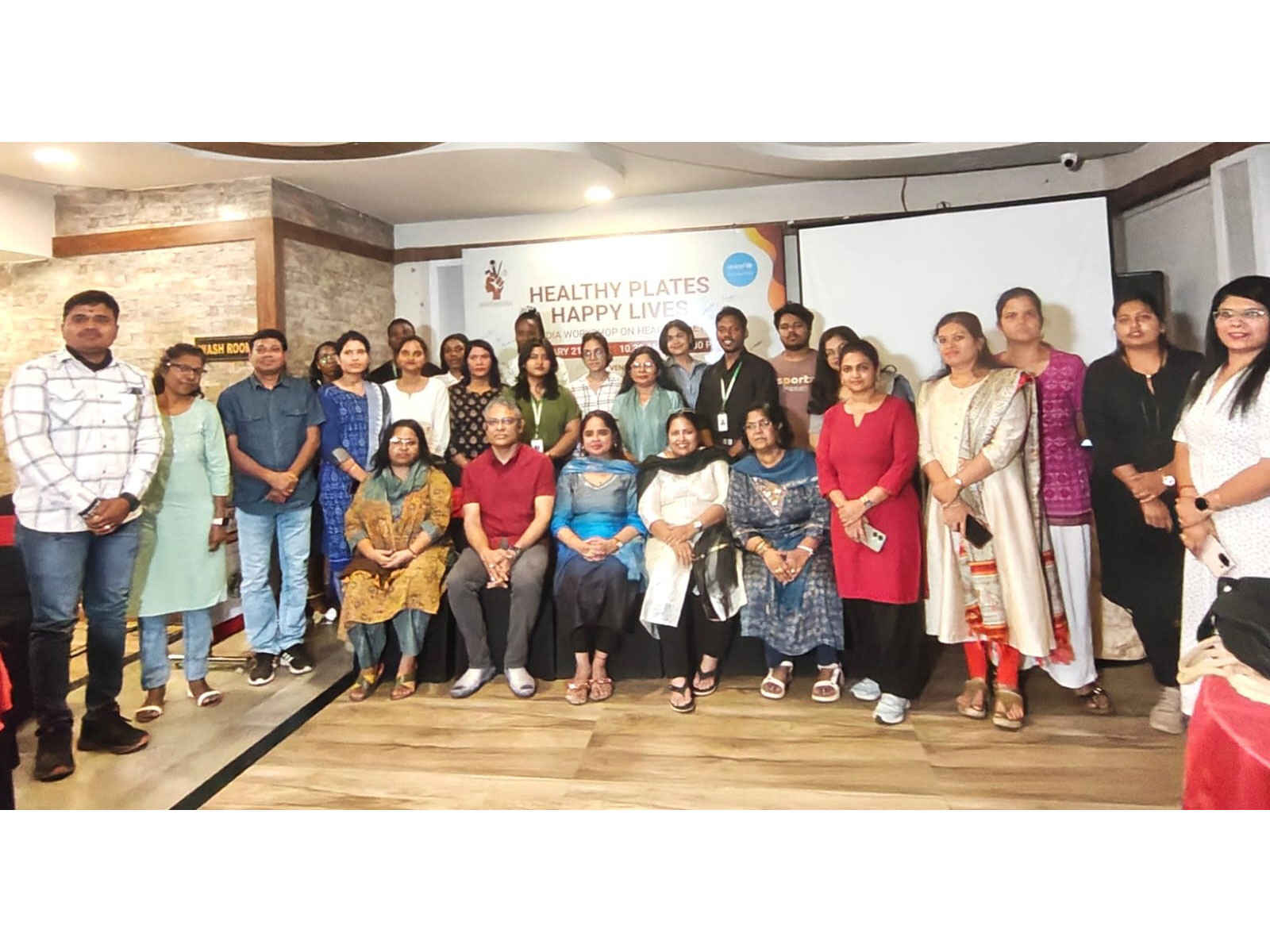
Healthy Plates, Happy Lives: A Media Workshop in Odisha
Bhubaneswar, Odisha – February 23, 2026 – UNICEF Odisha, in partnership with Odisha Women in Media, convened a pivotal media workshop titled "Healthy Plates, Happy Lives." The event brought together journalists and media professionals. The goal was to enhance reporting on children's and adolescents' nutrition. The workshop highlighted the critical role of media in shaping public understanding of healthy eating habits.
Understanding the Food Environment
The workshop delved into how the food environment impacts children's diets. It's more influential than individual choices alone. The focus was on what is affordable, readily available, and heavily marketed. The discussions also addressed the growing issues of undernutrition, micronutrient deficiencies, and the rise of overweight and obesity. This is partly due to the increasing availability of ultra-processed foods.
Sourav Bhattacharjee, Nutrition Specialist, UNICEF Odisha, emphasized the influence of food environments. He noted that informed choices depend on clear labeling, responsible marketing, and supportive food policies. The media's role is crucial in explaining these issues and building public awareness.
• Key Takeaway: The food environment significantly influences children's diets. Factors like affordability and marketing are key. • Expert Insight: Dr. Sharma, a leading nutritionist, notes, "The prevalence of ultra-processed foods is a major concern. It's essential to educate the public on making informed choices." • Signal vs. Noise: Instead of focusing solely on individual blame, the workshop emphasized systemic issues.
The Power of Media and Responsible Reporting
The workshop underscored the importance of healthy diets for children's growth, learning, and immunity. Poor diet quality increases the risk of non-communicable diseases. The workshop drew on national and Odisha-specific data to highlight the long-term health and economic costs of inaction. Astha Alang, Communication Specialist, UNICEF Odisha, pointed out the media's power to shape people's views on food and health. The aim is to inspire families to value nutritious diets.
• Key Takeaway: Thoughtful reporting can position nutrition as a matter of collective responsibility. • Expert Insight: Professor Patel, a media ethics expert, suggests, “Ethical journalism is vital in combating misinformation and promoting public health.” • Signal vs. Noise: The emphasis shifted from basic awareness to actionable strategies and accountability.
Kasturi Ray, President of Odisha Women in Media, stressed the importance of ethical journalism. She highlighted that healthy diets are a social issue requiring informed reporting. This is a commitment to empowering media professionals with the tools to question misinformation. The goal is to report on nutrition in a way that truly serves the public interest.
• Key Takeaway: The media can inspire families to value nutritious diets, protect children, and celebrate local food traditions. • Expert Insight: Studies show that consistent media coverage can lead to improved public health outcomes. • Signal vs. Noise: The workshop aimed to move the conversation from fear and trends to balance and well-being.
Promoting Nuanced and Solutions-Oriented Coverage
By engaging women media professionals, the workshop aimed to promote nuanced, solutions-oriented coverage. The aim is to keep children's well-being at the center of public discourse. This includes promoting healthy, affordable, and culturally rooted diets. Participants discussed the importance of sustained coverage that goes beyond awareness to accountability.
• Key Takeaway: Media plays a key role in making nutrition a matter of public importance. • Expert Insight: Nutritionists are calling for more media focus on local food traditions. • Signal vs. Noise: Focus on actionable solutions over merely raising awareness of the problem.
The Bottom Line
The "Healthy Plates, Happy Lives" workshop was a significant step toward improving media coverage. It provided a great platform for the development of nutritional education. The collaboration between UNICEF Odisha and Odisha Women in Media is important. It highlights the role of media in shaping public perceptions and promoting healthier eating habits for children. It's a commitment to informed, ethical journalism that serves the public good and puts children's well-being first.