India and Canada: A New Chapter in Bilateral Relations
India and Canada are signaling a renewed commitment to strengthen their economic partnership. This move comes after a period of diplomatic strain. The two nations aim to boost bilateral trade significantly. The goal is to reach $50 billion by 2030.
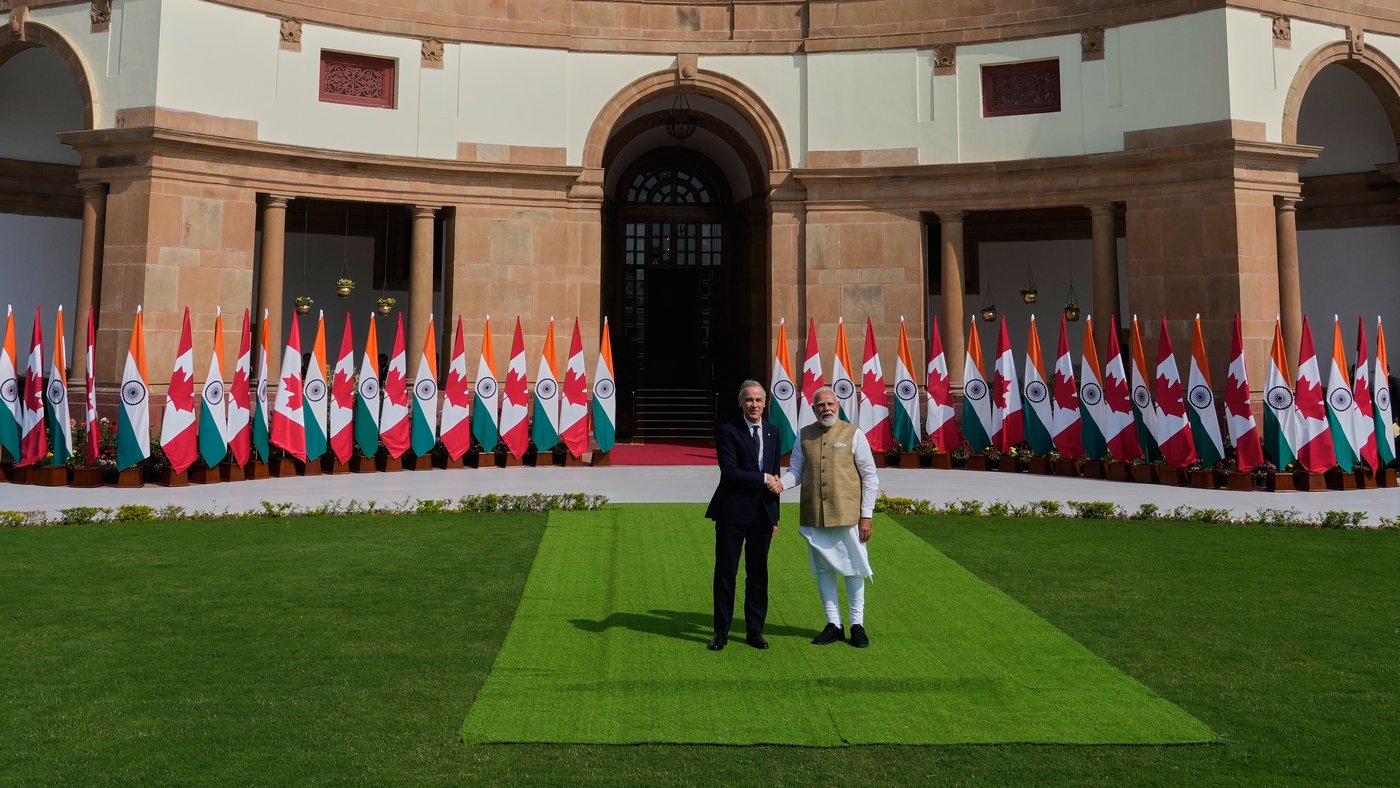
Following talks between Indian Prime Minister Narendra Modi and Canadian Prime Minister Mark Carney, a 'comprehensive economic partnership' is expected to be finalized soon. This agreement marks a significant step toward stabilizing and expanding ties. Both countries are working to solidify their relationship across various sectors.
Rebuilding Bridges: Trade, Diplomacy, and the Path Forward
Last year, negotiations on a long-pending trade agreement began. This was a direct result of Carney's efforts to re-engage with New Delhi. He sought to restore diplomatic channels and stabilize relations between the two countries. The aim is to conclude the deal by the end of this year.
Carney emphasized the significance of the partnership. He framed it as "the expansion of a valued partnership with new ambition, focus, and foresight." This reflects a mutual desire to move beyond past disagreements. The two nations are now focused on building a more robust and forward-looking relationship.
• Trade Ambitions: Aiming for $50 billion in trade by 2030. • Nuclear Agreement: Canada will supply uranium to India. • Strategic Cooperation: Focus on defense industries and maritime domain awareness.
The Road to Recovery
Ties between India and Canada faced challenges. These challenges arose from allegations. These allegations concerned the killing of a Canadian Sikh activist. The incident occurred near Vancouver in June 2023. India denied the allegations. It accused the previous Canadian government of harboring Sikh extremists.
The fallout led to the expulsion of diplomats and visa service suspensions. Relations improved when Carney invited Modi to the G7 summit in Alberta last June. This invitation helped pave the way for a more constructive dialogue. Both sides are now prioritizing areas of mutual interest. They are setting aside the past issues.
Beyond Trade: Strategic Partnerships and Future Goals
The discussions went beyond trade agreements. They covered strategic areas. Modi announced the signing of a nuclear agreement. Canada will supply uranium to India as part of this deal. The two countries will also work to strengthen their defense industries. They will also improve maritime domain awareness. This multifaceted approach highlights a broader strategic alignment.
Officials exchanged several memoranda of understanding (MoUs). These MoUs span areas. They cover critical minerals, energy, and cultural cooperation. Carney is also looking to diversify Canada's trade partners. He plans to focus on Australia and Japan.
• Critical Minerals: Agreements for resource cooperation. • Energy: Collaboration in the energy sector. • Cultural Exchange: Initiatives to boost cultural ties.
Signal vs. Noise
- Signal: The focus on a comprehensive economic partnership. The ambitious trade targets. The strategic agreements in defense and nuclear energy represent a strong signal. It shows a commitment to a deeper, more resilient relationship.
- Noise: The historical tensions. This includes the allegations and diplomatic expulsions. It can be seen as background noise. The ongoing efforts to move beyond past issues, however, suggest that these challenges are being actively managed.
Expert Analysis: A Geopolitical Perspective
This renewed partnership should be viewed in a global context. Canada seeks to diversify its trade partners. It wants to reduce its reliance on the United States. This aligns with broader geopolitical trends. Many nations are re-evaluating their international relationships. They are focusing on strategic partnerships.
India's growing economic influence makes it a crucial partner. This is for countries like Canada. India's large market and strategic location make it attractive. This makes it a key player in the Indo-Pacific region. This partnership also strengthens India's global standing.
The Bottom Line
The India-Canada agreement marks a pivotal moment. It is a commitment to strengthen economic and strategic ties. The ambitious trade goals, strategic cooperation, and diplomatic efforts indicate a promising future. Both nations are moving past past disagreements. They are embracing a new era of collaboration and mutual growth.