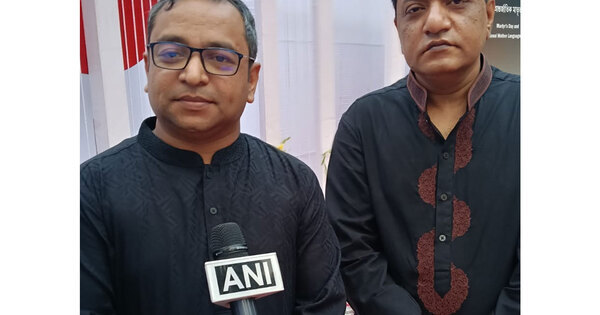
Tripura Pays Homage on International Mother Language Day
Tripura, India, joined Bangladesh in observing International Mother Language Day on February 21, 2026. The day honored the martyrs of the 1952 Language Movement, who fought for the recognition of Bangla as an official language. The Bangladesh Assistant High Commission in Tripura hosted a series of events, including flag hoisting, tributes, and cultural performances, to commemorate the occasion. This year's celebration highlights the shared linguistic and cultural bonds between Tripura and Bangladesh.
A Day of Remembrance and Celebration
The event, held at the Bangladesh Assistant High Commission office, saw participation from various members of the community.
- Tributes and Remembrance: The day began with a ceremony to pay respects to the martyrs. Floral tributes were offered at a Shahid Minar (martyrs' tomb) on the premises.
- Community Participation: Residents of Tripura, including students from local schools, joined the celebration. They participated in flag hoisting, sang the national anthem, and performed patriotic songs.
- Official Messages: Messages from the President and Prime Minister of Bangladesh were read out during the event.
- Cultural Exchange: The event provided a platform to highlight the shared cultural and linguistic heritage, especially the common Bengali language, between the two regions.
Signal vs. Noise
- Signal: The event signifies the strong cultural ties between Tripura and Bangladesh, especially through their shared Bengali language.
- Noise: While the event was significant locally, its impact is limited to the immediate community and those connected to it. It does not have global implications.
Echoes of the Language Movement
The International Mother Language Day commemorates the sacrifices made during the 1952 Language Movement in Dhaka, then East Pakistan. This movement saw students and activists protesting for the recognition of Bangla as a state language. The movement resulted in the tragic deaths of several protestors. Their sacrifice is remembered annually, underscoring the importance of linguistic rights and cultural preservation.
Historical Context
- The 1952 Movement: The Language Movement was a pivotal event in the history of Bangladesh, which then was East Pakistan, and laid the foundation for the Bengali language movement.
- Global Recognition: International Mother Language Day, as declared by UNESCO, highlights the importance of multilingualism and cultural diversity. It promotes the preservation and protection of all languages.
The Significance of Shared Heritage
Hasan Al Bashar Abul Ulayee, the Bangladesh Assistant High Commissioner, emphasized the exceptional nature of the celebration in Tripura. He noted the strong emotional and cultural bonds between the people of Tripura and Bangladesh, facilitated by the common Bengali language.
Key Takeaways
- Cultural Bridge: The celebration underscores how language serves as a cultural bridge, connecting people across borders.
- Emotional Connection: The event highlighted the emotional connections between communities that share a linguistic heritage.
- Preservation of Culture: Events like these are crucial for preserving cultural identity and promoting linguistic diversity.
The Bottom Line
The International Mother Language Day celebration in Tripura was a poignant reminder of the power of language in connecting communities and honoring those who fought for linguistic rights. It served as a testament to the enduring bonds between Tripura and Bangladesh and a celebration of their shared cultural heritage.