Delhi's Air Turns Toxic: Fuel Ban for Vehicles Without PUC Certificate
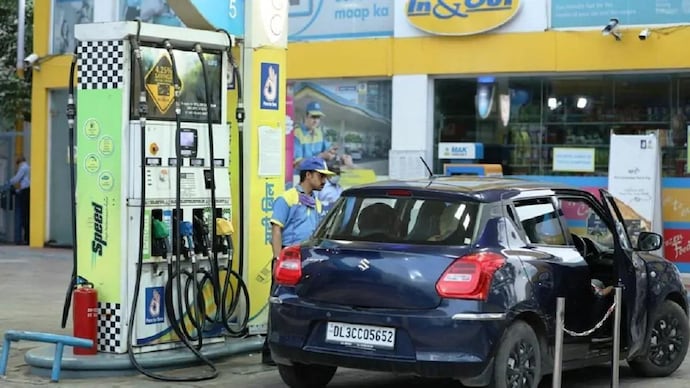
Delhi, a city often cloaked in a thick, grey haze, is once again battling a severe air pollution crisis. This time, the situation has prompted drastic action: authorities are now refusing to dispense fuel to vehicles that don't possess a valid Pollution Under Control (PUC) certificate. This move, designed to curb vehicular emissions, is sending ripples throughout the capital, raising significant questions about its effectiveness and the broader battle to clean Delhi’s air.
The city has long struggled with air quality that routinely exceeds safe levels, often ranking among the most polluted in the world. The problem is multifaceted, stemming from a cocktail of sources: vehicular emissions, industrial activity, construction dust, and, during certain times of the year, stubble burning in neighboring states. The result is a toxic mix of particulate matter (PM2.5 and PM10), ozone, and other pollutants that pose serious health risks, from respiratory illnesses to cardiovascular problems.
The Supreme Court and various environmental bodies have, for years, advocated for stricter measures to combat the pollution. These efforts, however, have often met with resistance or been implemented in a piecemeal fashion. The current crisis, however, seems to have pushed the government to act with greater urgency.
Now, let's delve into the specifics of this recent development:
• Fuel Ban Implementation: Petrol pumps across Delhi are now mandated to verify the PUC certificate of every vehicle before dispensing fuel. This means drivers without a valid certificate will be denied fuel, effectively grounding their vehicles.
• Stringent Enforcement: The Delhi government, along with traffic police, has significantly increased its enforcement efforts. Checks are being carried out at petrol pumps and on roads to ensure compliance.
• Focus on Old Vehicles: The crackdown is particularly focused on older vehicles, which are generally known to emit more pollutants. It also targets vehicles that have failed to renew their PUC certificates.
• Public Awareness Campaigns: Authorities are launching extensive awareness campaigns to inform citizens about the new regulations and the importance of having a valid PUC. These campaigns include social media promotions and public service announcements.
• Online Certificate System: To ease the process, the government has emphasized the availability of online PUC certificate services. This allows vehicle owners to get their vehicles tested and certificates renewed with relative convenience.
• Penalties for Violators: Fines for driving without a valid PUC certificate have been significantly increased to deter non-compliance. These penalties aim to reinforce the seriousness of the issue.
The implications of Delhi’s air pollution crisis extend beyond immediate health concerns. Studies have shown a correlation between poor air quality and decreased productivity, increased healthcare costs, and even adverse impacts on tourism. Addressing this multifaceted problem requires a multi-pronged strategy involving government action, technological innovation, and public participation.
In conclusion, while the fuel ban is a step in the right direction, it is a single piece of the complex picture. The fight against Delhi's toxic smog requires a sustained, comprehensive approach. This should involve improvements to public transport, promoting the adoption of electric vehicles, strict enforcement of pollution norms, and most importantly, tackling the underlying sources of pollution, including industrial emissions and seasonal agricultural burning in surrounding regions. The success of this initiative, like any environmental endeavor, hinges on the collective commitment of the government, industries, and the public.