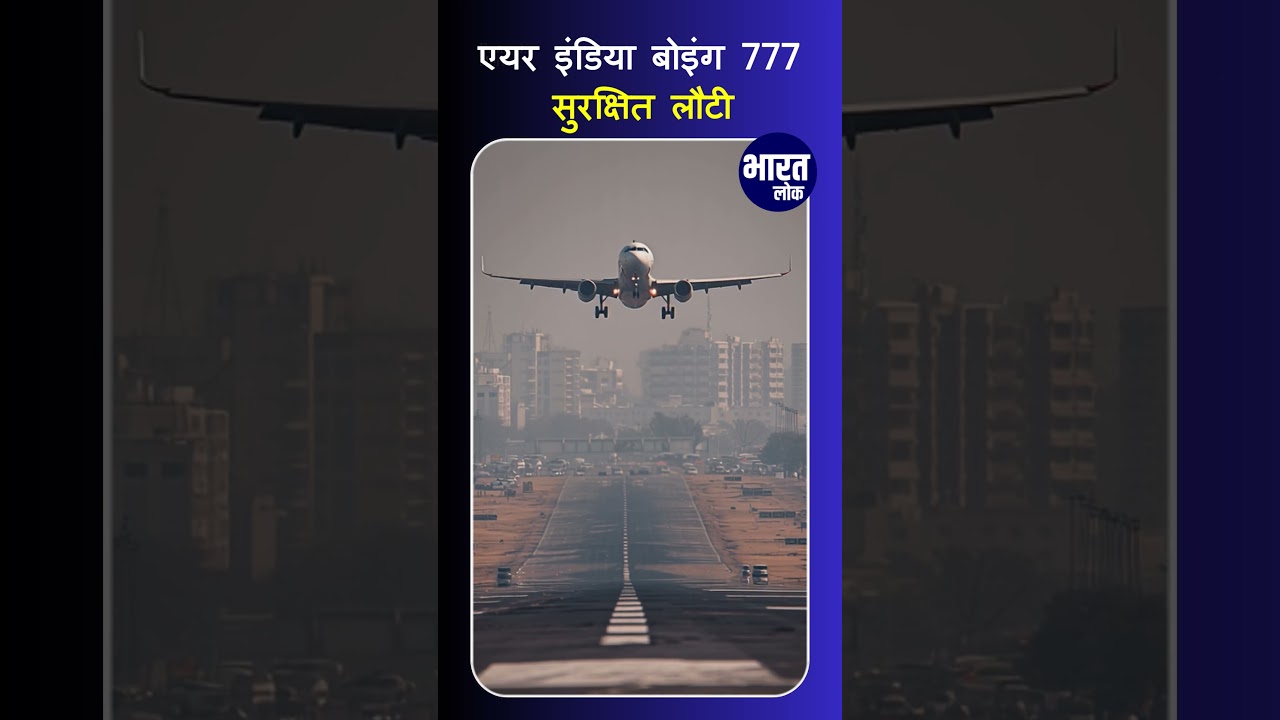
Air India Flight Makes Emergency Landing After Engine Issue
Another day, another aviation scare. An Air India Boeing 777, en route to Mumbai from Delhi, was forced to turn back shortly after takeoff on Monday due to an engine malfunction. The aircraft, carrying a full complement of passengers, safely returned to Indira Gandhi International Airport in Delhi, thankfully without incident.
This incident adds to a recent string of aviation-related events, sparking questions about aircraft maintenance and the pressures faced by airlines in the current environment. While engine failures are not unheard of, any mid-air issue naturally raises anxieties among flyers.
The Boeing 777 is a workhorse of the long-haul industry, known for its generally robust reliability. However, mechanical issues can occur, and prompt, decisive action by the flight crew is paramount in ensuring passenger safety.
Here’s a breakdown of the key developments:
• The Air India flight, AI183, departed Delhi but turned back after experiencing an issue with one of its engines.
• The pilots followed standard emergency procedures, shutting down the affected engine and informing air traffic control.
• The aircraft then made a successful emergency landing at Delhi’s IGI Airport.
• Passengers were disembarked safely and alternative arrangements are being made, including re-accommodating them on another flight.
• Initial reports suggest the issue involved oil pressure, but a full investigation is underway.
• The Directorate General of Civil Aviation (DGCA) has been notified and is likely to launch its own inquiry.
An industry expert noted that engine shutdowns, while serious, are designed to be handled by trained professionals. The successful return of the aircraft to Delhi suggests the crew adhered to protocol.
"The primary focus in these situations is always the safety of the passengers and crew. The pilots are trained extensively to manage these kinds of emergencies," the expert added.
Critics argue that the frequency of these incidents, although seemingly low compared to the volume of air traffic, warrants a deeper look into maintenance schedules and potential systemic problems within the industry. Others point to the wear and tear inherent in operating older aircraft, especially on long-haul routes.
The DGCA's investigation will be crucial in determining the root cause of the engine failure. This may involve examining maintenance records, the engine itself, and potentially interviewing the flight crew. The findings will be important, not just for Air India, but for the wider aviation community to learn from the incident and prevent future occurrences.
The future of the passengers on that flight remains uncertain, but their well-being is the top priority. Investigations are now fully underway, and those results will tell a more detailed story. The airline will likely face additional scrutiny in the days ahead, as the aviation industry, and indeed, the public, demand answers.