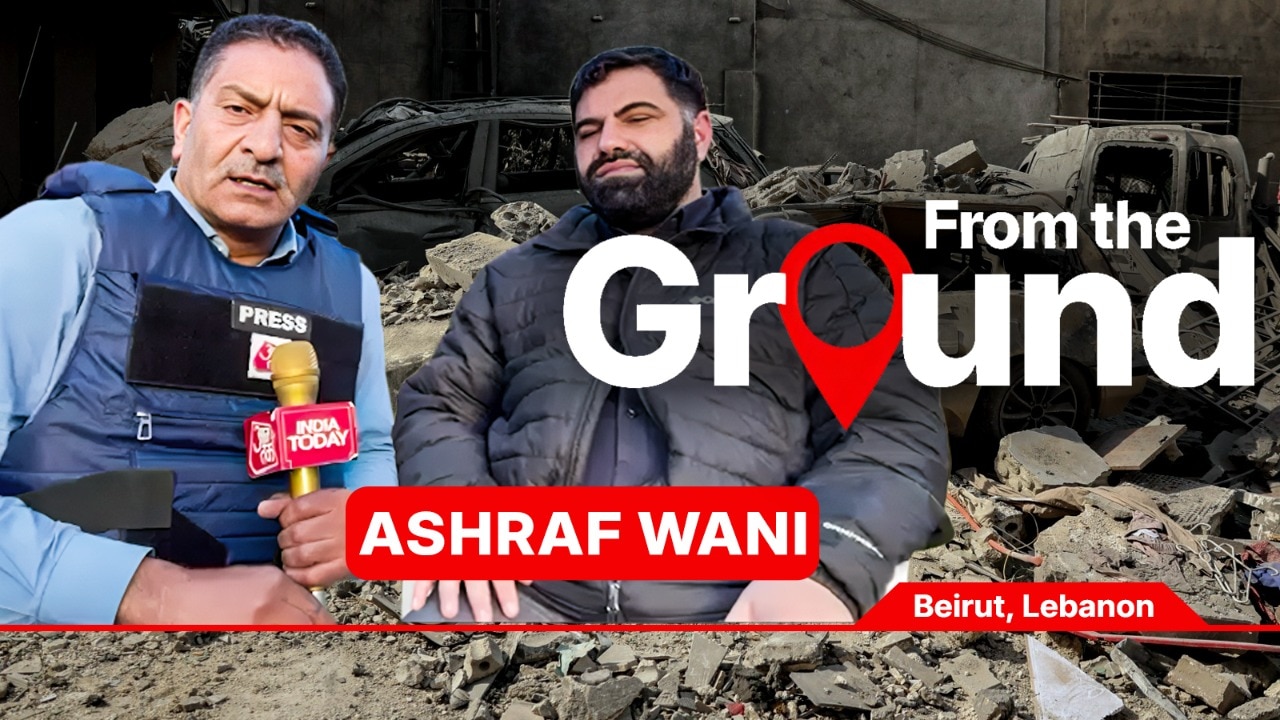
In a rare interview from the war zone, a Hezbollah commander has declared the group's commitment to continue fighting against Israel "to the last breath." Speaking to India Today, the spokesperson, identified as Hassan, refuted claims of weakened military capabilities, asserting that Hezbollah has inflicted significant damage on Israeli forces and enjoys strong local support. The interview sheds light on the group's strategy, the realities on the ground, and the potential for a prolonged and devastating conflict.
Hezbollah's Stance: Prepared for a Protracted Conflict
Hassan, speaking to India Today from Southern Lebanon, painted a picture of a group ready and willing to continue the fight. He dismissed Israeli claims of weakened military capabilities.
- Preparedness: Hassan stated Hezbollah had anticipated the conflict, saying, "We were waiting for this war for the last 15 months."
- Claims of Damage: Hezbollah claims to have damaged 119 Merkava tanks and armored vehicles in 25 days. These claims are unverified.
- No Timeline: Hassan ruled out any immediate end to hostilities, stating, "There is no timeline for this war."
Hezbollah views itself as a resistance movement deeply rooted in local support, claiming that "Everyone in south Lebanon is Hezbollah." This framing highlights the group's narrative of defending the local population against Israeli aggression. Hassan's statements suggest that Hezbollah is prepared for a prolonged conflict and intends to continue fighting despite the heavy toll on both sides.
Signal vs. Noise
- Signal: Hezbollah is prepared for a long war and will not back down.
- Noise: Claims of specific damage inflicted on Israeli military assets need independent verification.
Expert Analysis: The statements highlight the asymmetry of the conflict. Hezbollah's strength lies not only in its military capabilities but also in its ability to garner local support and frame the conflict as a resistance movement. This makes a swift Israeli victory unlikely. The conflict, as suggested by the commander, will likely be a brutal and prolonged one.
Ground Realities and Regional Implications
The interview offered insights into the on-the-ground situation and the broader regional implications of the conflict. Hassan made some bold claims.
- Slowing Israeli Advances: Hezbollah claims to have slowed Israeli advances and is preventing them from reaching the Litani river.
- Targeting Military Bases: The group claims to have targeted at least 20 Israeli military bases in northern Israel.
- Civilian Support: Displaced civilians are reportedly urging Hezbollah to fight on, expressing support for continued fighting.
Escalating Crisis
The conflict has pushed Lebanon deeper into crisis, exacerbating existing tensions.
- Casualties: Over 1,000 people have been killed, and more than a million have been displaced.
- Displacement & Tension: The displacement of civilians from Hezbollah strongholds is fueling tensions and intensifying political divisions.
- Internal Unrest: Analysts warn that the conflict risks destabilizing Lebanon further, with growing friction between Hezbollah and the government.
Signal vs. Noise
- Signal: The war has created a humanitarian crisis with deep regional and political implications.
- Noise: Hezbollah's claims regarding military successes need independent verification.
Expert Context: The situation in Southern Lebanon is becoming increasingly fragile. The humanitarian crisis is already dire, and there is a danger of the conflict triggering broader internal unrest. The ongoing war risks destabilizing Lebanon further.
The Role of Iran and the Future of the Conflict
Hassan addressed the role of Iran, describing Hezbollah as an indigenous movement formed in 1982 while acknowledging Tehran's support.
- Iranian Support: Hassan acknowledged Tehran's support with weapons to help the people of Lebanon.
- Indigenous Movement: He emphasized Hezbollah's origins as a local resistance movement.
- Uncertainty: Hassan implied that realities on the battlefield would ultimately answer questions about ongoing supply lines.
The Long Road Ahead
The commander's words suggest the group has no immediate plans to de-escalate.
- No End in Sight: With Hezbollah vowing to fight on and Israel seemingly determined to achieve its objectives, the conflict is expected to continue for some time.
- Potential for Wider Conflict: The longer the fighting goes on, the greater the risk of the conflict widening, potentially drawing in other regional actors.
The Bottom Line
The interview confirms Hezbollah's resolve to continue fighting, signaling a protracted conflict. The group appears to be rooted deeply in the local population. The claims made by the commander, however, must be viewed with caution and independently verified. The war's impact on Lebanon is severe. The potential for further escalation and destabilization is very high.