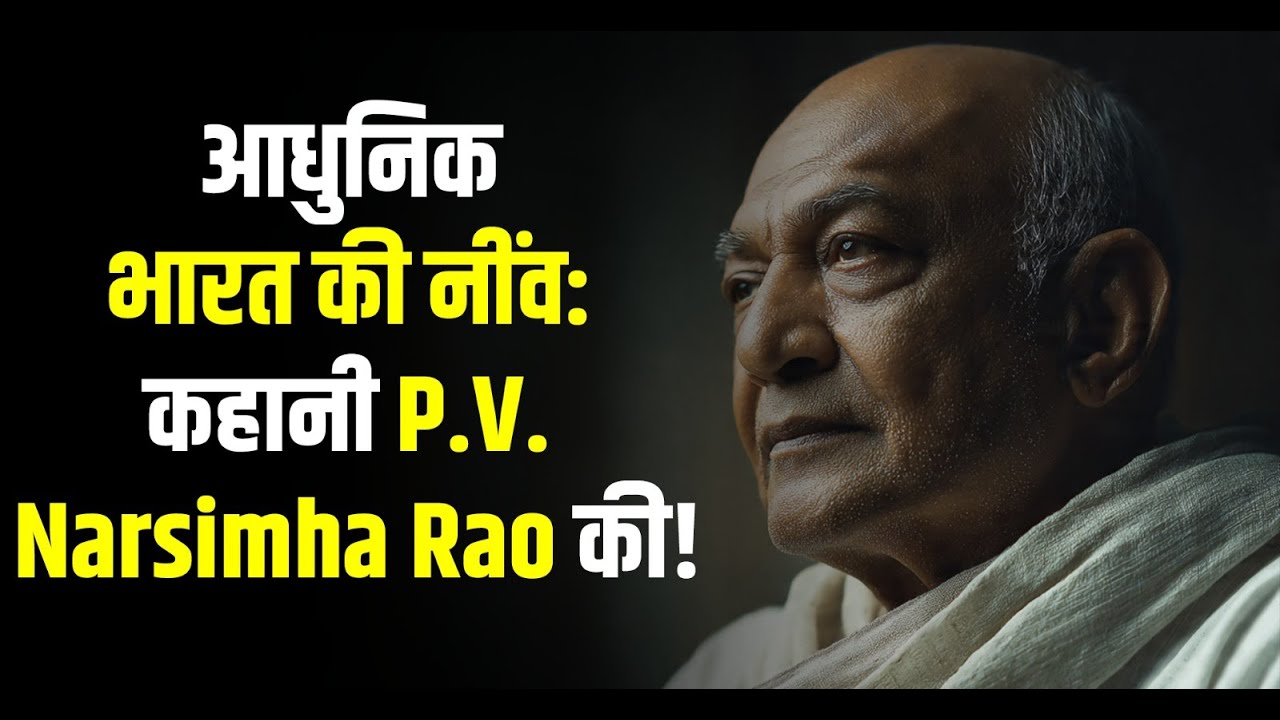
Decoding P.V. Narasimha Rao's Legacy
The name P.V. Narasimha Rao might not immediately spring to mind for everyone, but his impact on modern India is undeniable. Often called the “Chanakya” of Indian politics for his strategic acumen, Rao's tenure as Prime Minister from 1991 to 1996 marked a watershed moment. It was a time of crisis and transformation, and Rao steered the country through some of its most turbulent waters, leaving behind a legacy that continues to be debated and dissected.
His prime ministership came at a critical juncture. The Indian economy was teetering on the brink of collapse, facing a severe balance of payments crisis. The collapse of the Soviet Union, a key ally, further complicated the geopolitical landscape. In this volatile environment, Rao, with the then Finance Minister, initiated a series of bold economic reforms that fundamentally altered India's trajectory.
Here are some of the key developments that defined his time in office:
• Economic Liberalization: This was the cornerstone of Rao's policies. He dismantled the “License Raj,” reducing bureaucratic red tape and opening up the Indian economy to foreign investment and competition.
• Privatization: State-owned enterprises were partially or fully privatized, injecting much-needed capital and efficiency into the economy.
• Fiscal Reforms: Measures were taken to stabilize the fiscal situation, including tax reforms and efforts to control government spending.
• Foreign Policy Shift: Rao’s government cultivated closer ties with the West and aimed for a more pragmatic approach to international relations.
• Nuclear Program: While shrouded in some secrecy at the time, his government oversaw a strengthening of India's nuclear program.
• Social Reforms: Rao also initiated some social reforms, addressing issues like the Mandal Commission recommendations, which aimed to improve opportunities for marginalized communities.
Expert analysis often points to the long-term benefits of these reforms. “His economic policies paved the way for India's integration into the global economy and fueled decades of rapid economic growth,” noted an economics professor. However, critics argue that the reforms led to increased inequality and benefited only a section of society. > "The social impact was uneven, and some argue the reforms widened the gap between the rich and the poor," said one commentator on social media.
The debate surrounding Rao's legacy underscores the complexities of his actions. He was a master strategist who took decisive actions in a difficult time. Looking ahead, assessing his impact is crucial for understanding India's past and shaping its future. Rao's choices continue to resonate, reminding us that economic development is a continuous process of adjustments and trade-offs. His decisions laid the groundwork for the India we see today.