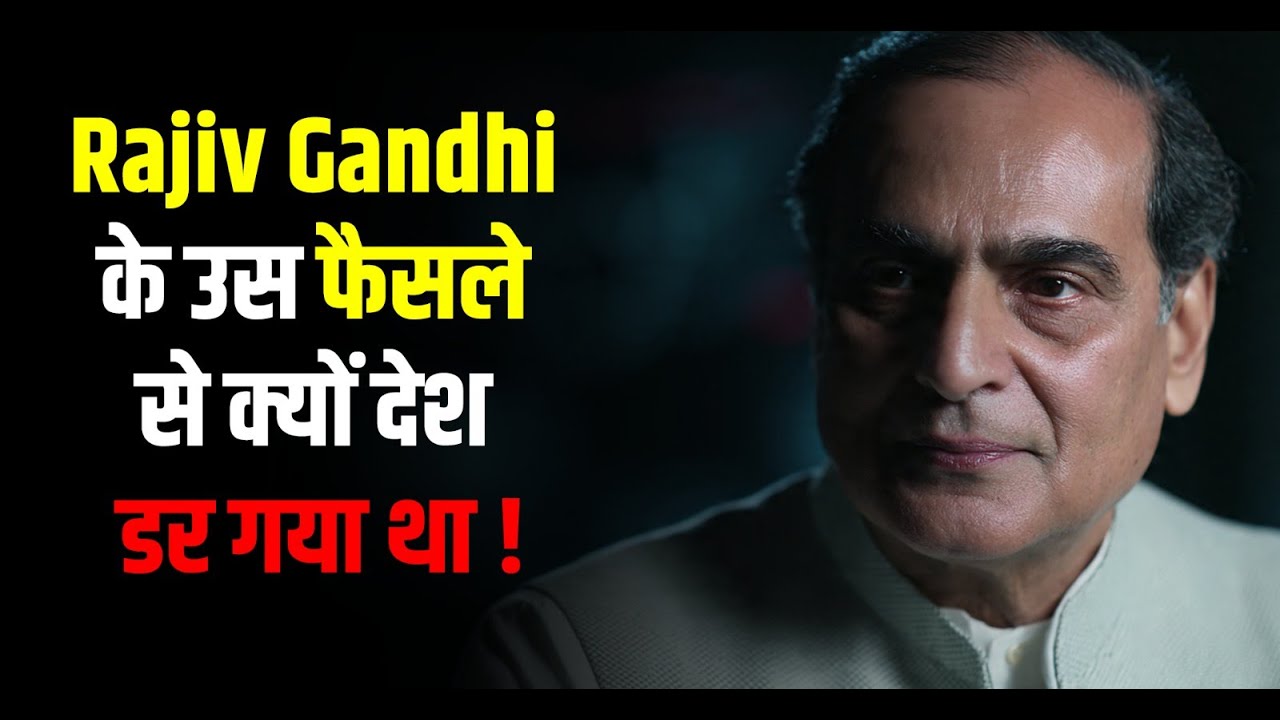
Rajiv Gandhi: The IT and Telecom Pioneer
It’s hard to imagine a world without instant communication, readily available information, and the internet at our fingertips. But rewind to the mid-1980s in India, and the picture was drastically different. The nation was grappling with a slow, cumbersome, and often unreliable communication infrastructure. Then came Rajiv Gandhi, and with him, a vision for a digitally empowered India. His tenure as Prime Minister marked a watershed moment, setting the stage for the country's meteoric rise in the global tech landscape.
Before Gandhi, India's telecom sector was a state-controlled monopoly, notorious for its inefficiency. The IT sector, meanwhile, was nascent and struggling to gain traction. Gandhi recognized the transformative potential of technology and made it a cornerstone of his policies. He understood that modernizing infrastructure, embracing innovation, and fostering a skilled workforce were key to India's future prosperity.
The legacy he left continues to resonate today. The impact of his foresight is evident when you look at:
• Establishment of the Department of Telecommunications: This crucial step paved the way for policy reforms and streamlined the telecom sector. • Creation of the Centre for Development of Telematics (C-DOT): C-DOT was designed to develop indigenous telecom technologies, reducing dependence on foreign imports and fostering self-reliance. • Introduction of the Mahanagar Telephone Nigam Limited (MTNL): This move aimed at improving telephone services in major cities, ultimately leading to greater accessibility. • Liberalization of the IT sector: Gandhi encouraged the growth of the IT industry through policy changes, reduced restrictions, and increased private sector participation. • Emphasis on computer literacy and education: Recognizing the need for a skilled workforce, he championed educational reforms that emphasized computer training. • Initiation of ambitious technology missions: These missions targeted areas like literacy and immunization, leveraging technology for social good.
"He recognized the vital link between technology and progress, understanding that India's future depended on embracing the digital age," observed one commentator on the impact of his decisions.
However, it wasn't all smooth sailing. Critics argue that some of the policies were implemented too hastily, leading to unintended consequences and challenges in the long run. Despite these criticisms, the overall impact of Gandhi's vision is undeniable. The seeds he sowed blossomed into a thriving IT and telecom industry, generating millions of jobs and contributing significantly to the nation's economic growth.
As India continues its digital journey, the foundations laid by Rajiv Gandhi serve as a powerful reminder of the importance of visionary leadership and the transformative power of technology. His legacy is one of boldness, foresight, and a profound understanding of the role of technology in shaping a modern nation. The impact he had continues to shape how India interacts with the world.