Dubai Turmoil: Indians Stranded Amidst Middle East Conflict
Several Indian industrialists and tourists are stranded in Dubai due to escalating tensions in the Middle East, triggered by joint US-Israel strikes on Iran. Air travel disruptions have left many unable to return home. Former Madhya Pradesh MLAs Sanjay Shukla and Vishal Patel are among those caught in the crossfire.
The Crisis Unfolds: Stranded Travelers and Regional Tensions
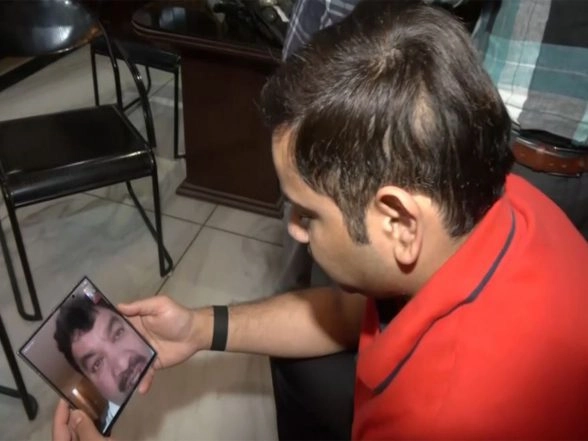
The situation is dire for those stranded, with reports of changing hotel locations due to explosions and alerts from local authorities. Sanjay Shukla's son, Sagar Shukla, has been communicating with his father, providing updates on the volatile environment. Groups from Bellary, who had planned a Dubai trip, are also stuck, unable to return as scheduled.
• Key Facts: • Indian travelers, including industrialists and tourists, are stranded in Dubai. • Disruptions are due to US-Israel strikes on Iran and subsequent regional tensions. • Former MLAs Sanjay Shukla and Vishal Patel are among those affected. • Tourists from Bellary are also stuck, unable to return as planned. • Families are urgently requesting assistance from Indian authorities.
• Signal vs. Noise: The primary signal is the immediate safety and repatriation of stranded Indians. The noise includes the broader geopolitical implications, which are not the immediate concern of those affected.
Expert Analysis:
Geopolitical analysts suggest that the strikes on Iran are part of a larger, ongoing conflict with complex implications. The strikes, dubbed 'Operation Epic Fury/Lion's Roar', have heightened tensions in the region, leading to travel restrictions and safety concerns. The situation underscores the vulnerability of international travel during periods of armed conflict. The immediate priority is the safety and repatriation of civilians. Long-term impacts may include heightened diplomatic efforts and shifts in regional alliances.
Voices from the Ground: Calls for Help and Urgent Action
Families of the stranded are reaching out to Indian authorities, including Prime Minister Narendra Modi and Madhya Pradesh CM Mohan Yadav, urging them to intervene and facilitate a safe return. Ramalingappa, brother of a tourist from Bellary, has also voiced concerns, emphasizing the need for immediate assistance. The stranded group from Bellary is reported to be safe but worried, as they are staying with another group. The families' appeals highlight the human cost of geopolitical instability.
• Key Demands: • Immediate repatriation of stranded Indian citizens. • Support and assistance from Indian government officials. • Clear communication and updates on the evolving situation.
• Signal vs. Noise: The clear signal is the urgent need for consular support and safe passage. Noise includes the speculation about the broader political ramifications, overshadowing the immediate needs of the stranded.
Context:
The strikes coincide with Iran's observance of 40 days of mourning for the death of Ayatollah Ali Khamenei. This period of mourning adds another layer of complexity to the situation, with heightened security measures in place. The combination of conflict and political transition creates a volatile environment.
The Bottom Line
The situation in Dubai serves as a stark reminder of the interconnectedness of global events and the impact of geopolitical instability on ordinary citizens. As tensions in the Middle East escalate, the immediate focus must remain on the safety and well-being of the stranded Indian travelers. Government intervention and diplomatic efforts are crucial to ensure their safe return. Continuous monitoring and updated advisories for travelers are essential in such volatile situations.