Bangladesh Braces for Polls Amidst Political Vacuum
The air in Dhaka crackles with a familiar tension. Whispers of imminent election dates are on everyone's lips, yet the political landscape of Bangladesh feels strangely…empty. Years of bitter rivalry, punctuated by crackdowns and accusations, have carved a deep chasm down the heart of the nation. This polarization has created a void at the political center, leaving the major players – the ruling Awami League and the opposition Bangladesh Nationalist Party (BNP) – struggling to maintain a strong presence, let alone forge a cohesive vision for the future. The 2026 elections, whenever they come, will be contested in terrain vastly different than before.
Decades of Division
To understand the current crisis, one must delve into Bangladesh's fraught political history. The rivalry between the Awami League, led by Prime Minister Sheikh Hasina, and the BNP, the party of former Prime Minister Khaleda Zia, has dominated politics since the nation’s independence. This rivalry intensified after the assassination of Sheikh Mujibur Rahman, Sheikh Hasina's father and the nation's founding father. Accusations of corruption, human rights abuses, and electoral manipulation have become commonplace, eroding public trust and deepening the divisions. The exile of BNP's acting chairman, Tarique Rahman, son of Khaleda Zia, has further complicated the opposition's ability to mobilize and strategize effectively. His presence and leadership are essential for them to compete.
Now, with the date of the next election expected any day now, what should be a period of intense campaigning is instead characterized by uncertainty. The opposition appears fractured, the ruling party faces public skepticism, and a third, less visible, player – the Jamaat-e-Islami – is quietly attempting to reshape the narrative. The stakes are undeniably high.
Key Developments Shaping the Landscape:
The pre-election environment is complex, marked by several critical developments:
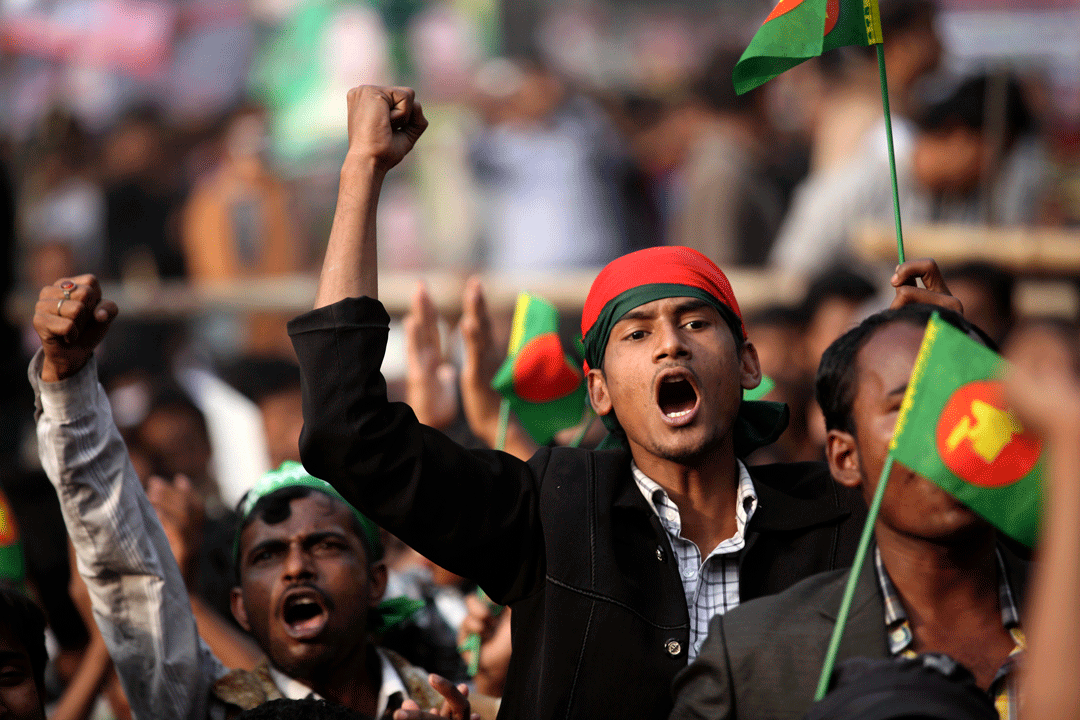
• BNP’s Leadership Quandary: The BNP faces a significant leadership void. Tarique Rahman's continued exile in London has hampered the party's ability to mount a unified and effective challenge to the Awami League. While he remains the acting chairman, his absence leaves a crucial gap in on-the-ground leadership, coordination, and the ability to influence voter sentiments. This can be seen in its recent rallies which lacked the same fervor they used to have.
• Awami League's Credibility Challenges: The ruling Awami League, despite its firm grip on power, is grappling with a decline in public trust. Allegations of corruption, economic mismanagement, and a perceived crackdown on dissent have eroded its popular support. The party's ability to maintain its dominance hinges on its capacity to regain public confidence or to cleverly exploit its advantages.
• Jamaat-e-Islami's Shifting Strategy: The Jamaat-e-Islami, a long-time player in Bangladeshi politics, is quietly attempting to reshape the narrative. After years of being ostracized, the party is attempting to influence public opinion without overt confrontation. This involves re-evaluating its public image, engaging in subtle advocacy, and working to mobilize support within select communities, all while remaining low-key.
• The Erosion of Democratic Institutions: Independent observers have noted the erosion of democratic institutions, including the judiciary and the media. This has led to a climate of fear and self-censorship, making it more challenging for critical voices to be heard, and for voters to make informed decisions. These factors further complicate the path to free and fair elections.
• Economic Concerns on the Rise: The Bangladeshi economy, once a source of pride, is now facing significant pressures from global inflation, rising debt, and a declining foreign exchange reserve. This creates economic precarity in various levels of society and has the potential to become a central issue in the election, with the potential to fuel widespread discontent and turn voters against the ruling party.
• International Scrutiny: International observers and human rights organizations are closely monitoring the political situation. The international community's attention to human rights issues and the integrity of the electoral process has the potential to influence the government’s actions and the outcome of the election.
Expert Analysis and Implications
“The absence of a strong opposition leader on the ground, coupled with public disillusionment, creates a volatile situation,” says Dr. Ali Riaz, a professor of political science at Illinois State University, who has extensively studied Bangladeshi politics. “The space for genuine political debate has shrunk, and that benefits whoever is in power. The electoral process, therefore, is crucial now.”
Other experts predict an intensely contested election. “We could see increased efforts to suppress dissent and manipulate the electoral process,” warns a seasoned analyst, requesting anonymity due to the sensitivity of the subject. “The opposition needs to show the public that they're still united and ready, even in the face of these challenges.” The role of the Election Commission will be under intense scrutiny, as many believe their independence will play a decisive role in ensuring a fair vote.
The Path Forward
Looking ahead, Bangladesh stands at a crossroads. The upcoming election will be a test of the country's democratic credentials. The future hinges on the ability of the political players to address the deep divisions, rebuild trust, and respect the democratic process. While the challenges are formidable, the hope for a more inclusive and stable future remains. The absence of a strong center, however, casts a long shadow over the horizon, adding a layer of uncertainty and potential instability that is a real concern for many Bangladeshis. The outcome will likely shape the nation's trajectory for years to come.